Song Meaning
The narrator is desperately seeking reassurance in a relationship, fixated on verbal confirmation of their partner's feelings. The repeated plea, "Dime lo que sientes" (Tell me what you feel), underscores a deep-seated insecurity. It's not enough for the partner to simply feel; they must articulate it, again and again, creating a cycle of demand and potential disappointment. This insistence suggests a fear that the connection might be fragile, needing constant verbal reinforcement to feel real.
The core tension lies between the desire for profound, lasting love and the nagging doubt that it might be superficial or temporary. The narrator pushes for declarations that the feelings are "muy fuerte" (very strong) and will "nos va a durar" (last us), even admitting that "cuesten tanto las palabras" (words are so hard sometimes). This internal conflict highlights a struggle to trust the unspoken, relying instead on explicit promises that might be difficult for the partner to consistently provide.
The lyrics cleverly shift from demanding spoken words to requesting communication through non-verbal cues like "Habla con los ojos" (Speak with your eyes) and "Habla con la piel" (Speak with your skin). This pivot suggests a dawning realization that perhaps the partner's affection is already evident, just not in the way the narrator has been demanding. The repeated "Y otra vez" (And again) after the initial plea emphasizes the obsessive nature of the narrator's need for validation.
Ultimately, the effectiveness of these lyrics stems from their raw portrayal of vulnerability and the relatable anxiety of wanting to be truly seen and understood. The narrator's journey from demanding verbal proof to acknowledging other forms of communication, culminating in the simple, powerful request, "Dime que tu sientes lo mismo que yo" (Tell me you feel the same as me), captures the universal human yearning for reciprocal love and certainty.
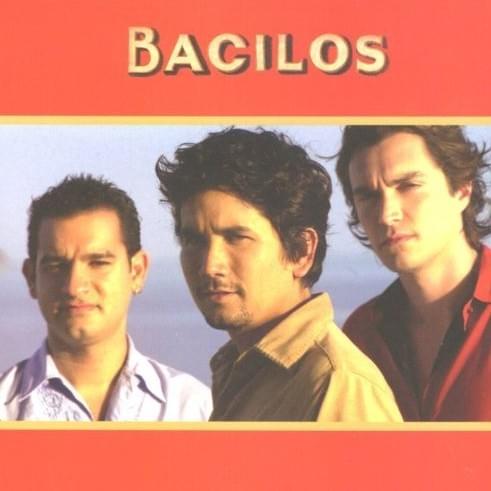
 View Artist