Song Meaning
The lyrics open with a stark image: wood being carted away. It's destined for mundane uses like a table or a plank. But then, a chilling twist: it's also headed "a volverse un ataúd." This immediate shift from utility to mortality sets a deeply somber tone.
The emotional core lies in the sharp contrast between the wood's past and its future. "Pero aquí era el árbol del amor," the narrator laments, recalling a vibrant life force. This tree was home to "un pájaro en peligro de extinción," whose flight is now gone, highlighting an irreversible ecological loss. The once-seasonal marker, with its "flores de colores," is gone, emphasizing a profound disruption of nature's cycles.
The transformation of the tree is particularly potent. From a living "árbol del amor" to a mere commodity, its final destination as an "ataúd" serves as a powerful, almost literal, metaphor for the death of the natural world. This exploitation is explicitly tied to economics: "Se vende y se está pagando / Lo que queda de esta tierra." The lyrics suggest a grim transaction where the very land is sacrificed, and the high cost of this history is a collective burden.
These lyrics hit hard by grounding a vast, abstract issue like deforestation in tangible, emotional consequences. The simple, mournful repetition of "Ahí va la madera" becomes a lament for what's lost, while the direct address, "Oye muchachito," transforms the observation into a poignant warning. It's a powerful narrative about environmental destruction, economic exploitation, and the heavy, collective cost of progress.
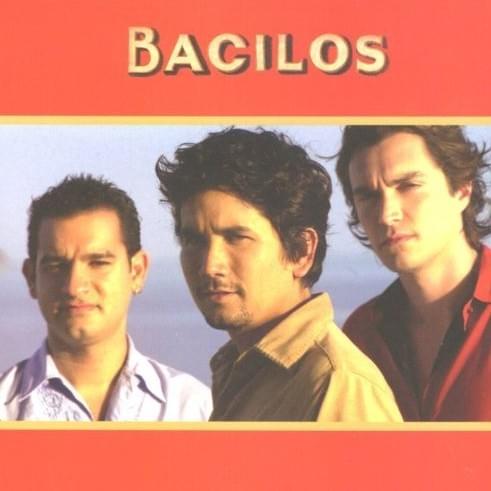
 View Artist