Song Meaning
The lyrics paint a stark picture of a relationship that has reached a painful, inevitable end. The opening lines establish a shared history of effort and mutual suffering: "I've tried / And you've tried / You've cried / And I've cried / I've lied / And you've lied." This parallel structure emphasizes a shared responsibility for the relationship's demise, culminating in the bleak "Together we've died." The repeated assertion "That's all / That's all / That's all" underscores a sense of finality and resignation, even as the narrator acknowledges a lingering connection: "We were friends / We're still friends."
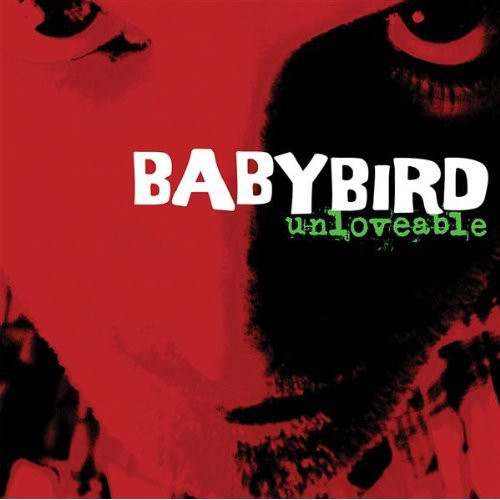
The central tension arises from the narrator's self-proclaimed "unloveable" status, a declaration that seems to be both a confession and a defense mechanism. The repeated refrain "You can't love me / I'm unloveable" is immediately undercut by a plea, "But baby you could try," revealing a deep-seated desire for connection despite the perceived impossibility. This internal conflict is further complicated by a sudden reversal: the narrator admits, "I can't love you / You're so loveable," suggesting that the inability to love stems not from the other person's flaws, but from the narrator's own internal damage.
The most striking craft element is the sudden shift into vivid, unsettling metaphors that articulate the destructive nature of their shared love. The image of love as a "sickly kindly gag" that "suffocates us" and their descent "floating down the sewer pipe / Like kittens in a bag" powerfully conveys a sense of helplessness and decay. This visceral imagery starkly contrasts with the earlier, more direct pronouncements, making the emotional weight of their situation palpable. The subsequent line, "Then the metaphors explode / And suddenly we're home," offers a moment of unexpected clarity or perhaps a return to a familiar, albeit broken, state of being.
Ultimately, the effectiveness of these lyrics lies in their raw honesty and the way they articulate a complex emotional paradox. The narrator's self-deprecation and the painful admission of their own inability to reciprocate love, even when faced with a "loveable" partner, creates a profound sense of tragic self-awareness. The contrast between the desire to be loved and the conviction of being unloveable, coupled with the visceral imagery of their shared downfall, makes this a deeply resonant portrayal of a relationship's agonizing conclusion.
 View Artist