Song Meaning
The lyrics paint a picture of an imminent, perhaps permanent, departure, tinged with a sense of both urgency and uncertainty. The opening lines "Pack your bags, we're leaving soon" establish a clear narrative of transition, but the destination remains vague, described only as "'Cross the sea, not coming back." There's a subtle tension between the imperative to move and a questioning of the reality or truth of the situation, as indicated by "Doesn't make a lot more true." The arrival of "still life" and "silver dawn" suggests a shift in perspective or a new beginning, even as the act of leaving is underway.
The central tension seems to revolve around the act of leaving and the emotional weight it carries. The bridge offers a more abstract, almost dreamlike image of ascent and observation: "Young arrow, cool breeze and blue spirit / Rose up over the mountain and looked down on the valley below." This elevated viewpoint contrasts with the grounded, domestic imagery of "Teapot tone in the lover's shack" in the second verse. The narrator is urging someone to join them in this elevated state, "With me in the stratosphere," suggesting a desire to escape earthly concerns or limitations.
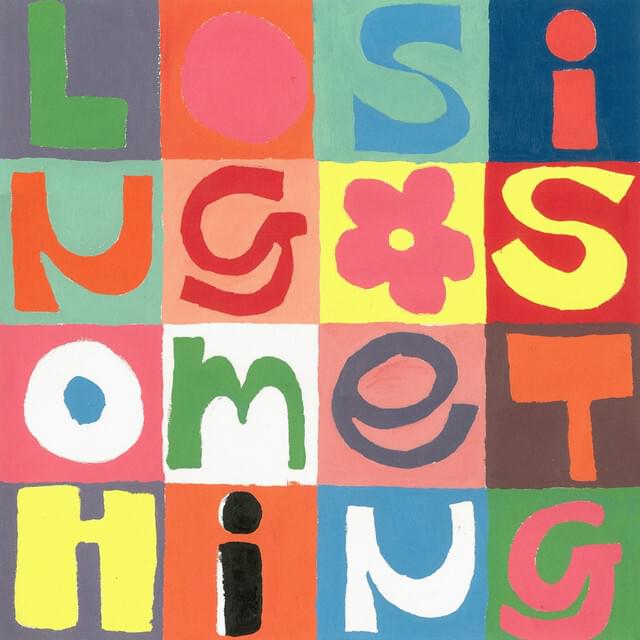
The most striking element is the lyrical juxtaposition of departure and discovery, culminating in the final line: "Losing something is finding something else." This refrain reframes the act of leaving not as a pure loss, but as a necessary precursor to gain. The seemingly nonsensical "Merrily, we'll roam the lawn / Di doo da, di doo doo dum" adds a layer of whimsical detachment, almost like a child's song, which contrasts with the profound implication of the preceding lines. It suggests that the emotional experience of this transition is complex, encompassing both melancholy and a strange kind of joy.
Ultimately, the effectiveness of these lyrics lies in their ability to evoke a specific emotional atmosphere without explicitly defining the circumstances. The blend of concrete actions like packing with abstract imagery of soaring and vast seas creates a sense of profound, yet undefined, change. The narrator's insistence on a new perspective, coupled with the paradoxical idea that loss can lead to discovery, resonates as a powerful commentary on the nature of transition and personal growth.
 View Artist