Song Meaning
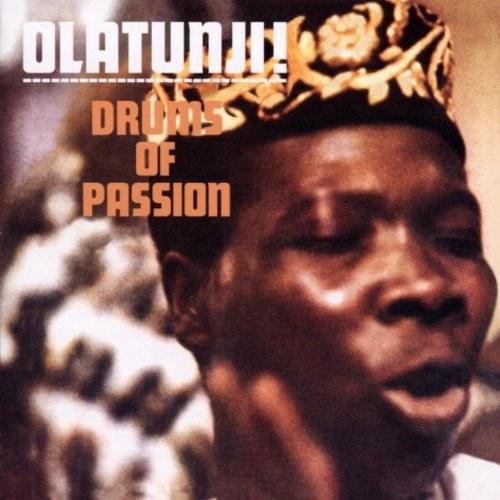
Babatunde Olatunji's "Jin-Go-Lo-Ba (Drums of Passion)" transcends simplistic lyrical analysis, existing instead as a primal force of rhythm and collective energy. The repetition of "Jingo" and the subsequent vocalizations aren't designed for narrative consumption; they function more as a percussive element themselves, mimicking and amplifying the complex polyrhythms that drive the song. It is an invocation, a summoning of something ancient and deeply connected to the human spirit through the fundamental language of drums.
To dissect "Jin-Go-Lo-Ba" is to misunderstand it. The song bypasses the cognitive and plunges directly into the subconscious. The repeated phrases act as a mantra, a focal point for a communal experience. The "Ba, Lo" refrains ground the chant, providing a counterpoint to the soaring "Jingo," creating a call-and-response dynamic that encourages participation, even if only internal. The meaning isn't found in deciphering a hidden message, but in surrendering to the hypnotic pulse and allowing it to unlock a more intuitive form of understanding.
Ultimately, the drums of passion speak a language older than words. "Jin-Go-Lo-Ba" is less a song and more a ritual. It taps into the fundamental human need for rhythm, for connection, and for catharsis. The stripped-down vocals and relentless percussion create a space where individual identity dissolves into a shared, ecstatic experience. The song's power lies not in what it says, but in what it *does* to the listener, transporting them to a space where rhythm reigns supreme.
 View Artist