Song Meaning
The lyrics paint a picture of someone playing a complex game of romantic pursuit, where the initial hesitation of a potential partner is met with a confident, almost taunting, assertion of eventual victory. The narrator dismisses the other person's fear of falling deeply in love, framing it as a predictable reaction to their own allure. There's a sense of playful manipulation, suggesting the chase is part of the appeal, and the narrator is certain of the outcome. The repeated phrase "Me da igual" (I don't care) acts as a shield, masking a deeper investment in the connection.
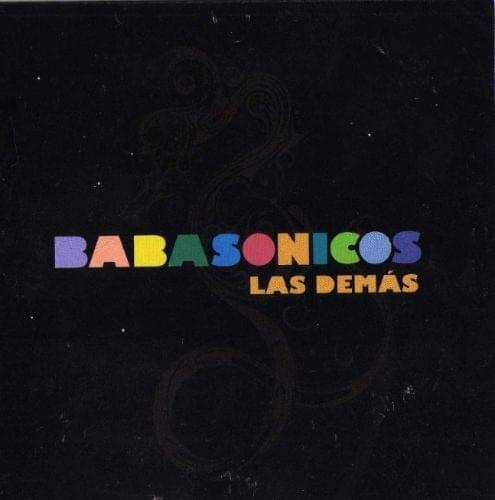
The central tension arises from the narrator's dual admission: they enjoy the other person's fear of commitment while simultaneously claiming indifference to their current hesitation. This creates a push-and-pull dynamic where the narrator seems to relish the power they hold, anticipating the moment the other person inevitably succumbs. The line "Sabiendo que también me gustan las demás" (Knowing I like others too) adds a layer of complexity, suggesting the narrator's own desirability and perhaps a history of not settling down, which paradoxically fuels the other person's insecurity and the narrator's confidence.
The most striking element is the stark contrast between the outward declaration of indifference and the internal admission in the bridge: "Desconfío que me entiendas de verdad / Y la verdad es que te amo" (I distrust that you truly understand me / And the truth is that I love you). This sudden vulnerability shatters the cool facade, revealing a deep, perhaps even desperate, affection beneath the game. It suggests the narrator's confidence might be a defense mechanism, a way to cope with the fear of genuine connection and the possibility of rejection. The shift from "Ya caerás en mis brazos" (You'll fall into my arms) to "Ya darás un paso en falso" (You'll take a misstep) at the end also hints at a potential shift in the game, perhaps acknowledging the fragility of their own position or the unpredictable nature of love itself.
This lyrical construction is effective because it captures the intoxicating, often contradictory, emotions of early romance and attraction. The blend of swagger and underlying vulnerability makes the narrator's position feel both powerful and relatable. The carefully deployed indifference, juxtaposed with the raw truth of the bridge, creates a compelling portrait of someone who is perhaps more invested than they let on, making the listener wonder about the true stakes of this romantic gamble.
 View Artist