Song Meaning
The lyrics immediately establish a determined speaker intent on captivating another. There's a strong sense of active pursuit, promising both allure and a hint of entrapment. The speaker confidently declares, "Vou te levar" (I will take you), setting a tone of assertive seduction. This initial approach is underscored by imagery of being wrapped in "minha teia" (my web) and the speaker becoming "sua sereia" (your mermaid).
The central tension in these lyrics arises from the stark contrast between the speaker's powerful, almost possessive intentions and a repeated, gentle refrain. Verses speak of doing "o que for preciso" (whatever it takes) to "te conquista" (conquer you), suggesting a dominant role in this pursuit. The target is to be drawn into "meu mar" (my sea), implying a world entirely under the speaker's control.
However, the most compelling craft choice is the juxtaposition of this predatory language with the chorus's innocent imagery. Despite the intense declarations, the speaker promises to act "De leve, de levinho" (lightly, very lightly). This delicate touch is further emphasized by the comparison "Como dois passarinhos" (like two little birds), creating an intriguing ambiguity. Is the lightness a genuine approach, or a deceptive tactic to mask the underlying, forceful intent?
This lyrical tension makes the song effective, drawing the listener into a confident seduction that is both assertive and seemingly effortless. The speaker's ultimate goal is to "fazer você pirar" (make you go crazy) and "fazer você remar" (make you row), indicating a desire to influence the other person's state and actions. It's a compelling portrayal of a pursuit that leaves the object of affection to wonder about the true nature of the "paraíso" (paradise) being offered.
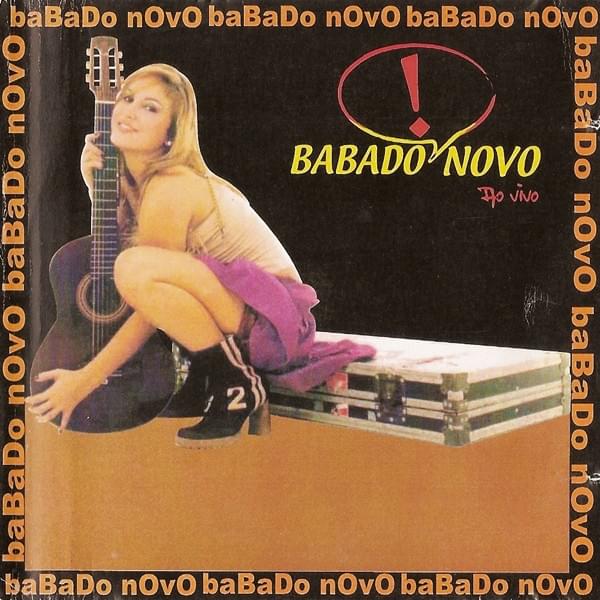
 View Artist