Song Meaning
The lyrics of "Que Bom Que É" present a narrator enduring a series of grim circumstances: betrayal, hunger, war, and relentless labor. Each hardship is met with the deeply ironic refrain, "Ai, que bom que é," creating an immediate sense of bitter sarcasm. The speaker is consistently "Sentado à espera" – sitting and waiting – for external forces to intervene.
The central emotional tension stems from this profound disconnect between the narrator's suffering and the forced, almost mocking, declaration of "how good it is." This isn't merely passive endurance; it's an active, performative cheer that highlights the absurdity and injustice of their plight. The repeated waiting for a mythical king, divine intervention, or revolution underscores a pervasive sense of powerlessness and a desperate, perhaps futile, hope for change.
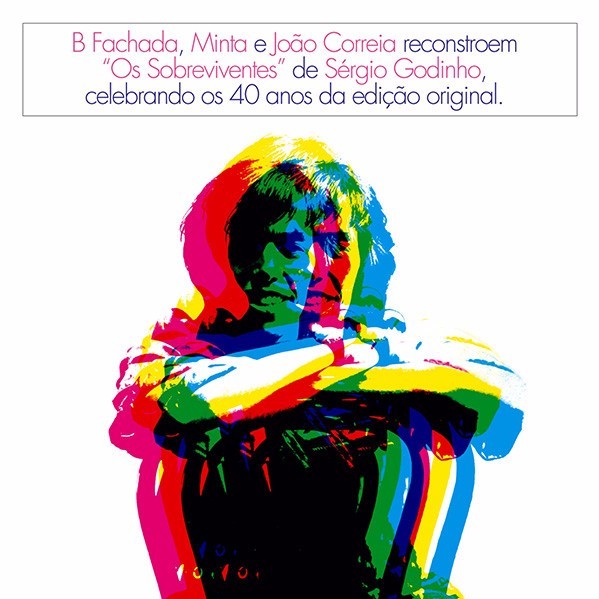
A particularly potent craft element is the recurring image of "A cadeira" – the chair. It's never truly the narrator's own, always "emprestou-ma" (lent to me) by figures ranging from a sinister "papão" (bogeyman) to a "sacristão" (sacristan), a "capitão" (captain), and finally, "o meu patrão" (my boss). This detail powerfully illustrates the narrator's lack of agency and ownership over their own comfort or even their temporary respite, making the "Que bom que ele é" directed at these temporary benefactors sting with an even sharper irony.
The lyrics achieve their emotional impact through this relentless repetition and stark juxtaposition. The litany of escalating misfortunes, each met with the same sardonic "how good it is," creates an overwhelming sense of despair masked by a thin veil of forced optimism. This constant ironic refrain, coupled with visceral images like a "faca enterrada nas costas" (knife buried in the back), forces the listener to confront the profound absurdity and injustice of the narrator's existence, making the declared "goodness" feel like a desperate, silent scream.