Song Meaning
The lyrics of "Mumaita" immediately establish a profound, almost aching affection for a figure addressed as "mumaíta de mi corazón" (little mother of my heart). This repeated phrase acts as a tender anchor, grounding the speaker's emotional landscape. Yet, a striking paradox quickly emerges: "Que te miro y no te veo" – I look at you and don't see you. This line encapsulates a deep sense of absence or emotional distance, even in presumed proximity.
This central tension between presence and absence drives the song's emotional core. The speaker looks, but true perception or connection eludes them. It suggests a yearning for something lost, a memory that remains vivid but untouchable, or a current relationship where genuine understanding or intimacy is missing. The repetition of this paradox amplifies the speaker's frustration and longing.
The imagery further deepens this feeling. While roosters herald a natural awakening, the speaker's "calle la tengo a oscuras" (my street is dark) paints a picture of personal gloom or isolation. The surreal image of "los niños de mi barrio Le tiran piedras a la luna" (the children of my neighborhood throw stones at the moon) is particularly poignant. It evokes a sense of futile longing, perhaps mirroring the speaker's own attempts to grasp something beautiful yet utterly out of reach, much like trying to truly "see" the beloved "mumaíta."
The power of these lyrics lies in their raw simplicity and the cumulative effect of repetition. The constant return to "mumaíta de mi corazón" makes the speaker's love feel visceral, while the unresolved paradox of sight without seeing creates a compelling emotional void. The final, desperate plea, "Dame la mano" (Give me your hand), transforms the abstract longing into a tangible, urgent request for comfort, connection, or guidance, leaving the listener with a palpable sense of the speaker's profound yearning.
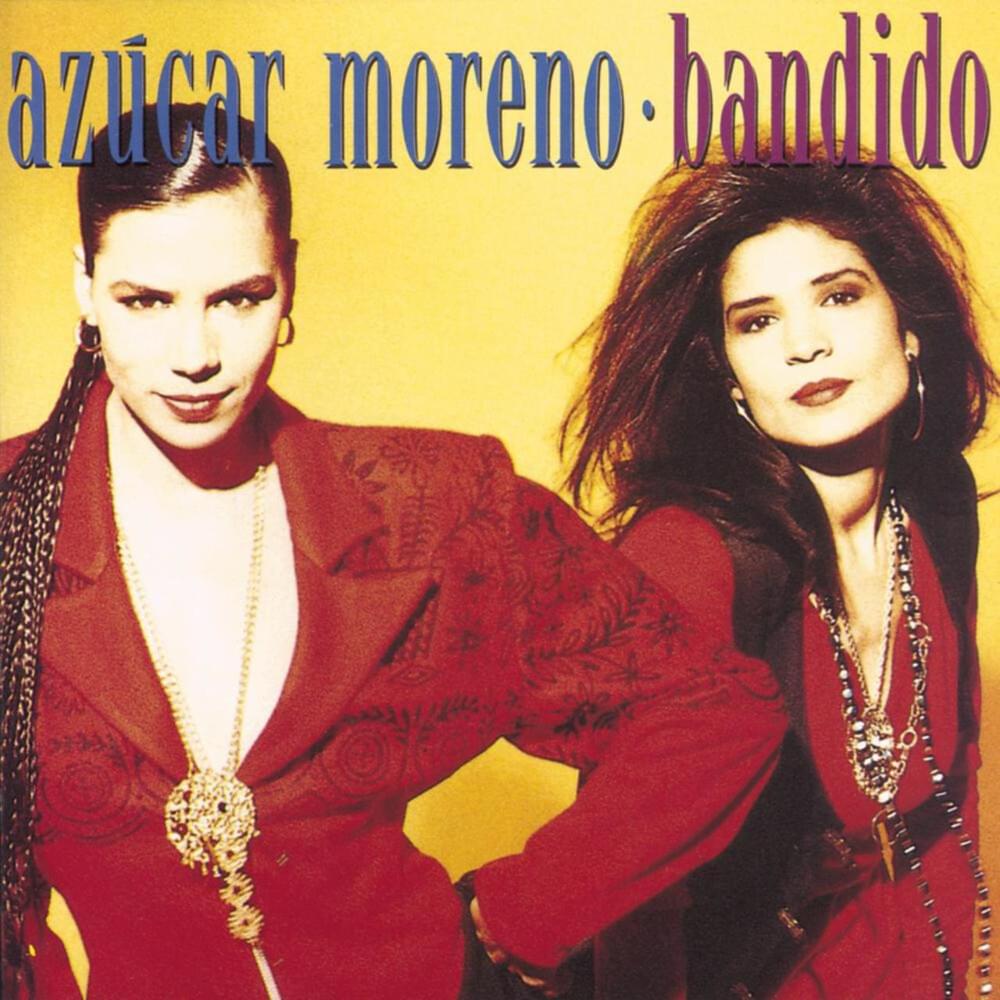
 View Artist