Song Meaning
The narrator is called "chica vaivén," a "swaying girl," because of her slow, almost backward gait. This "vaivén" – the back-and-forth, the sway – becomes a central motif, repeated insistently like a heartbeat or a pendulum. It suggests a certain hesitation, a rhythm that's not quite moving forward, perhaps reflecting an internal state as much as a physical one.
The core tension lies in a desperate yearning for love and connection, contrasted with a fear of causing pain. The narrator expresses a willingness to give "la vida" (her life) for just a moment of the beloved's love, yet simultaneously acknowledges a destructive tendency: "Como hago con los demás" (As I do with the others). This creates a poignant push-and-pull, a desire to be close while fearing the inevitable hurt.
The lyrics present a fascinating duality. The "boquita limón" (little lemon mouth) is an intriguing image, suggesting something sweet but also potentially tart or sharp, hinting at the complexity of the narrator's affections. The desire for the beloved to be a blacksmith, forging a heart "para que no te lo rompa" (so it doesn't break it), is a powerful metaphor for seeking protection against her own perceived destructive nature.
Ultimately, the effectiveness of these lyrics stems from their raw, almost childlike expression of vulnerability and self-awareness. The repetitive "vaivén" grounds the emotional turmoil in a tangible, rhythmic feeling, making the narrator's internal conflict feel both deeply personal and universally understood. It's the sound of wanting love desperately while wrestling with the fear of being the one to break it.
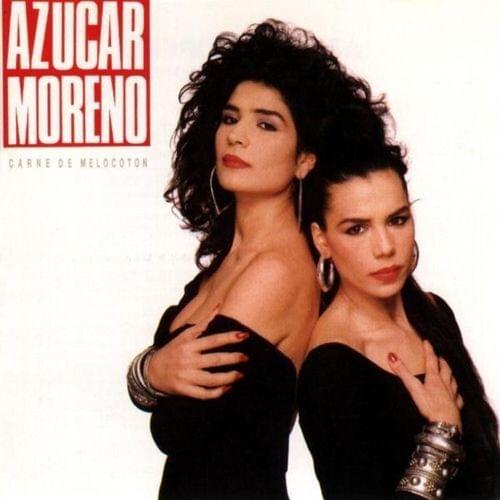
 View Artist