Song Meaning
The lyrics paint a picture of urban isolation, where individuals navigate the city alone, a quiet struggle the narrator mirrors. He describes himself as a "simple, unassumin' kind of man" who walks and tries his best, enduring hardship until he's "beaten, till I'm blue." This internal suffering, however, is contrasted with an outward shine, like "neon that I see / In the rain on the avenue," suggesting a hidden resilience or a shared, unspoken human experience.
The central tension lies between the pervasive loneliness and the persistent, almost desperate search for a different reality. The narrator admits to dreaming "'bout a city in the sky / Where we can live without love," a seemingly paradoxical desire that hints at a yearning for an idealized existence, perhaps one free from the pain of connection or vulnerability. Yet, his immediate purpose is grounded: to "feed you from a shell, fill you up and wish you well," a humble act of care that he sees reflected as "paradise on the avenue."
The writing cleverly juxtaposes grand, almost mythical imagery with gritty, everyday scenes. The "city in the sky" and "Egyptian sparkling eyes" are placed against the "basement of a hotel" and the "rain on the avenue." This creates a sense of elusive beauty found in unexpected, even bleak, places. The bridge's sudden, chaotic imagery of a burning hotel and drowning under hoses serves as a stark reminder of the fragility of these perceived paradises, a moment of intense, almost absurd peril.
Ultimately, the effectiveness of these lyrics stems from their portrayal of finding glimmers of hope and purpose amidst pervasive solitude and hardship. The narrator's unwavering belief, even after the hotel burns down, that "paradise / Was there with you," suggests a deep-seated optimism or a profound attachment to a shared, albeit perhaps illusory, ideal. This enduring faith, "stuck like glue / On the avenue," offers a poignant, if melancholic, vision of human connection and the human capacity to seek and find meaning in the mundane.
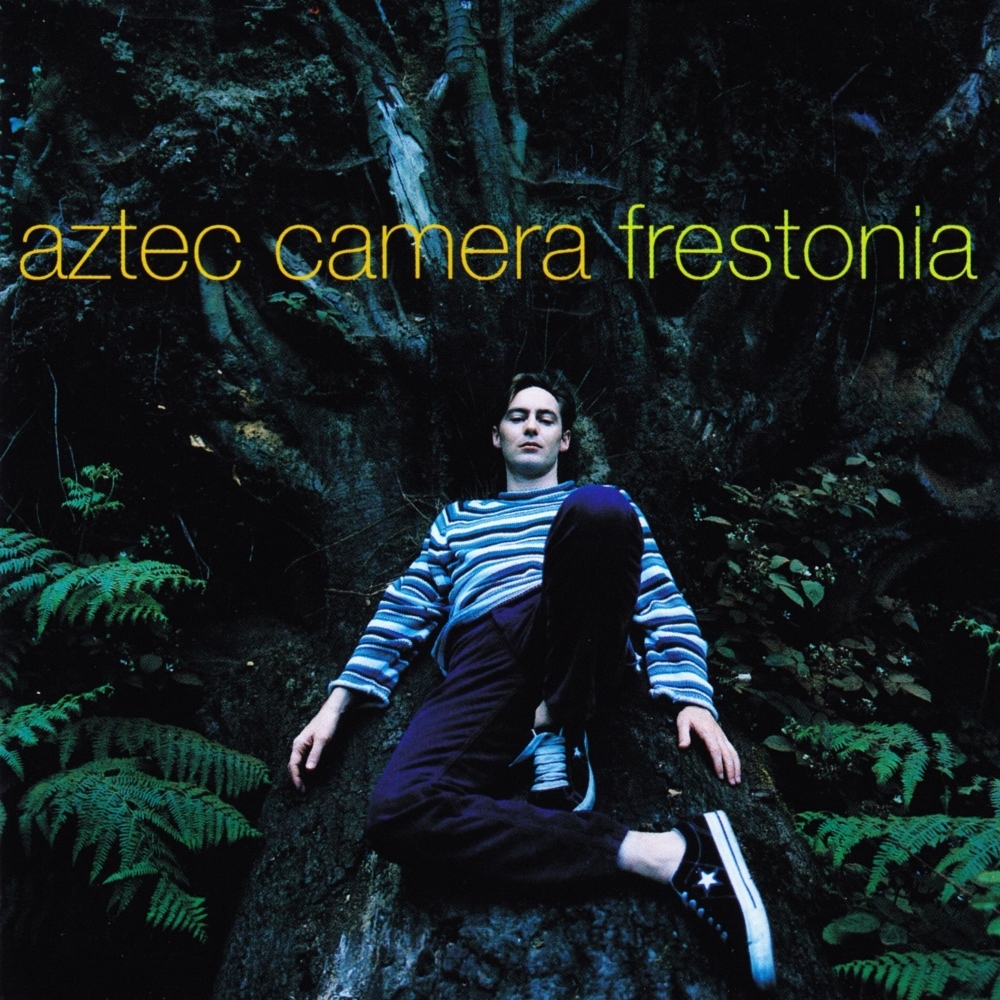
 View Artist