Song Meaning
The lyrics paint a picture of profound disorientation and isolation, beginning with a moment of shared joy that quickly dissolves into darkness. The narrator's laughter turns into a realization that a significant connection has fractured, replaced by the implication of others and a sense of inadequacy. This sets the stage for a central theme of being utterly adrift, both physically and existentially.
The core tension lies in the narrator's feeling of being 'lost here by myself' and 'lost outside myself.' This duality suggests a breakdown in self-identity alongside a physical or emotional separation from a crucial other. The repeated assertion 'we were not to blame' and 'We're not the same' introduces a complex dynamic, hinting at a shared past or experience that has diverged, leaving the narrator to grapple with the aftermath, possibly feeling unfairly burdened or fundamentally altered.
A striking element is the metaphor of the 'tunnel for our love' in Verse 3, contrasted with the narrator's current state of being 'lost outside the tunnel.' This tunnel was envisioned as a sanctuary, a 'desert free from threats mundane,' offering a singular, clear path. The shift from this protected, singular vision to the present confusion, where 'people's voices seem to drown me out' and the narrator is 'in two minds,' highlights a dramatic loss of direction and internal peace.
This lyrical construction is effective because it grounds abstract feelings of alienation in concrete, though metaphorical, imagery. The contrast between the past 'one dream' and the present fractured state, coupled with the insistent, almost defensive refrain about blame and difference, creates a potent sense of unresolved emotional conflict. The writing captures that disorienting feeling when a shared reality collapses, leaving one adrift and questioning their own footing.
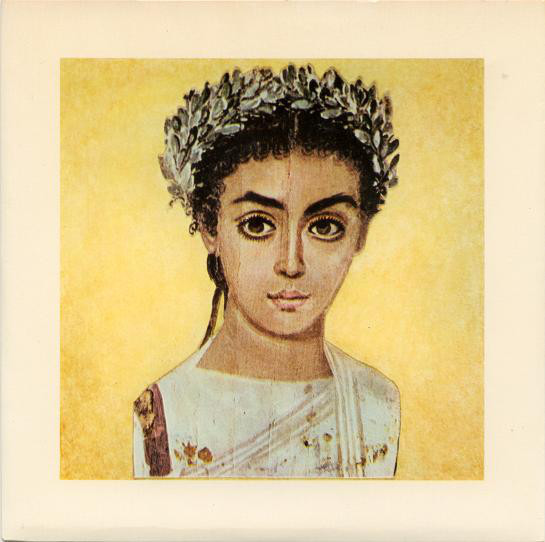
 View Artist