Song Meaning
The lyrics paint a vivid picture of lingering regret over a past relationship that ended without proper closure. The narrator is haunted by memories, specifically the feeling that their time together was everything, and the inability to properly say goodbye or express gratitude. This inability to articulate their feelings seems to be a core source of pain, leaving the narrator stuck in a loop of remembrance and longing. The repeated phrase, "さよならもうまく言えなくて ありがとうも言えなかった" (I couldn't say goodbye properly, I couldn't say thank you either), underscores this central conflict.
The dominant emotional tone is one of melancholic nostalgia mixed with a deep sense of unfulfilled longing. The narrator acknowledges the passage of time, noting how "時間だけ通り過ぎるよ 2人を追い越す様に" (only time passes by, as if to overtake the two of us), yet their emotional state remains tethered to the past. There's a poignant contrast between the desire for memories to simply disappear and the stark reality that they haven't, with the narrator admitting, "なんて思ったこと 何でなの一度もないまま" (I've never once thought that I wanted them to disappear).
A particularly striking element is the narrator's self-awareness of their youthful immaturity, admitting they were "まだ子供すぎて 傷つけて" (too young and hurt each other). This realization adds a layer of self-recrimination to the overall sadness. The recurring image of the "最後に見た寂しげな君の 横顔が焼きついている" (the last time I saw your lonely profile is burned into my memory) serves as a powerful, specific anchor for this regret, highlighting a final, unresolved visual.
Ultimately, the effectiveness of these lyrics lies in their raw, unvarnished portrayal of regret and the quiet desperation of unspoken words. The narrator’s wish for a simple, awkward smile if they were to cross paths again reveals a deep-seated desire for a connection, however fleeting, that acknowledges their shared past. The cyclical nature of the chorus, recounting the inability to say goodbye and the recurring dreams, emphasizes how these unresolved feelings continue to shape the narrator's present, even as they acknowledge the inevitability of moving on.
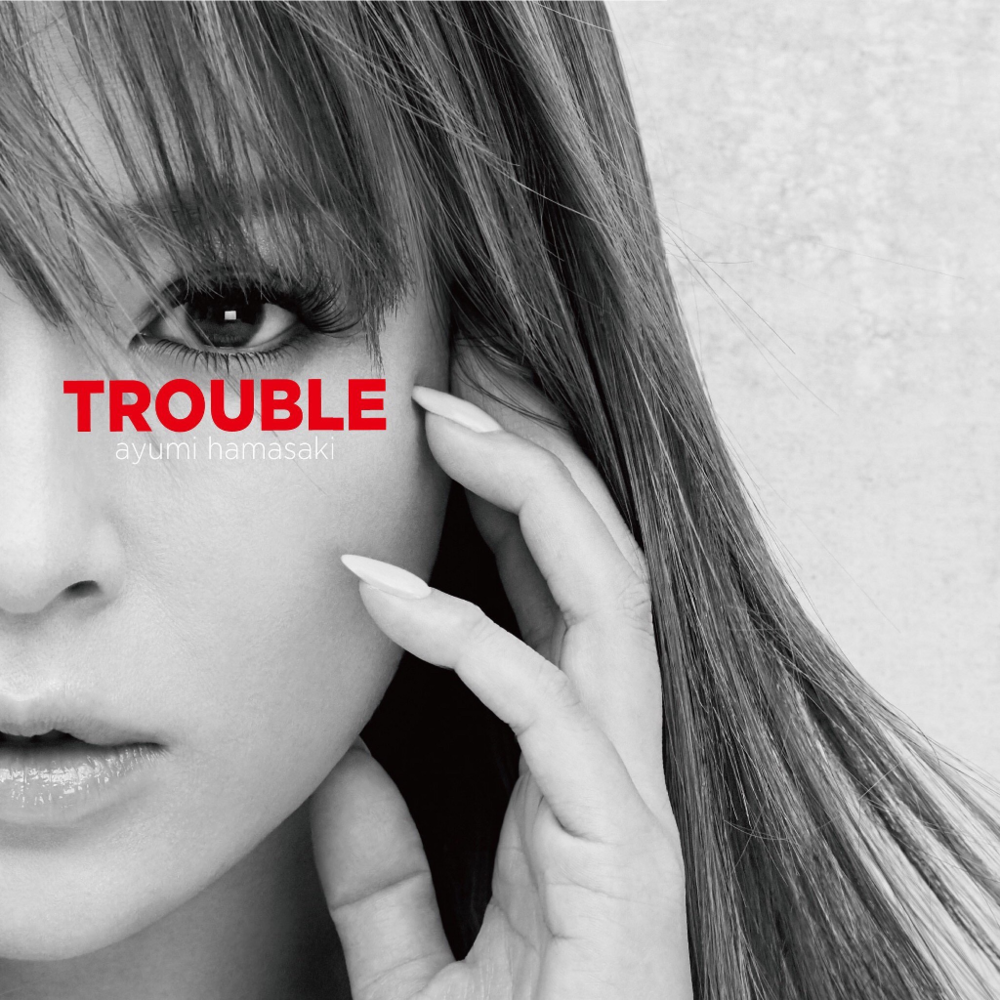
 View Artist