Song Meaning
This song centers on a profound gratitude for someone whose presence and emotional vulnerability are deeply affecting. The narrator repeatedly expresses thanks for simply being there, highlighting how the other person's smile offers solace and their tears, in turn, teach the narrator something new. It's a quiet acknowledgment of shared experience, where witnessing the other person's resilience and emotional responses becomes a source of strength and inspiration. The repeated phrase "今日も一日ありがとう" (Thank you for today) grounds the sentiment in the daily rhythm of their connection.
The core tension lies in the disconnect between the other person's self-perception and their actual impact. The repeated English refrain, "You don't know / How beautiful you are," underscores this. The narrator sees an inherent, enduring beauty in the other person that they themselves seem unaware of. This isn't about superficial looks, but a deeper, perhaps hard-won, loveliness that shines through their struggles and their capacity for empathy, like crying with the narrator or pushing forward despite hardship.
The lyrics masterfully use repetition not just for emphasis but to build a sense of gentle insistence. The dual nature of the other person's emotional expression—their smile saving the day and their tears teaching lessons—shows a complex, fully realized individual. The narrator's observation that "あなたがただ前に進み続けるから" (because you just keep moving forward) suggests a journey of overcoming, and the narrator finds encouragement in this persistent effort. The wish for a "gentle and calm wind" to embrace them speaks to a desire for peace and comfort for this person.
Ultimately, the song's power comes from its intimate focus on one individual's perceived inner light. It's a heartfelt tribute, articulating a deep appreciation for someone who may not recognize their own strength and beauty. The narrator's perspective acts as a mirror, reflecting back the loveliness they witness, offering a quiet, powerful affirmation that resonates through the simple, repeated expressions of thanks and the poignant English refrain.
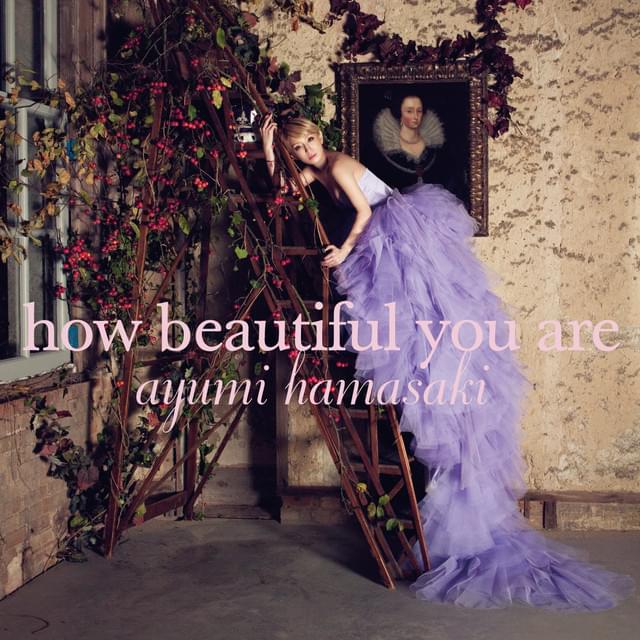
 View Artist