Song Meaning
The narrator pleads for a specific kind of feminine identity, a state of being she calls "rester femme," which seems to involve a willingness to suppress her own needs and desires for the sake of a relationship. She offers a litany of concessions: she’ll give him all the time he needs, wear only black stockings, and stop demanding he call when he’s late. These aren't just minor adjustments; they represent a significant self-effacement, a deliberate choice to become less demanding and perhaps less visible.
The core tension lies in the conflict between the narrator's desire to maintain this specific, accommodating version of herself and the underlying pain and suspicion that fuels these offers. She admits she *wants* to know where he is and who he’s with, that she suspects he’s being kept from her by someone else, and that she’s choosing to believe his lies. This isn't a position of strength or genuine contentment; it's a performance, a desperate attempt to hold onto a love that seems to be slipping away, even if it means feigning ignorance.
The most striking aspect is the repetition of "Laisse-moi rester femme," bookended by contrasting states: "Ne fût-ce qu'en larmes" (if only in tears) and "Sans arme" (without weapons). This framing suggests that her "femme" identity, in this context, is one of vulnerability and defenselessness. She’s willing to abandon her favorite shows and her romanticized comparisons, shedding layers of her own personality and interests to fit a mold that will supposedly keep him. The offer to stop comparing him to pulp fiction heroes is particularly telling, indicating a surrender of her imaginative inner world.
Ultimately, the lyrics resonate because they capture a painful paradox: the act of trying to preserve a relationship by sacrificing parts of oneself. The narrator’s willingness to "faire semblant" (pretend) and "fuir les gens que ça dérange" (avoid people who are bothered by it) highlights the isolating nature of this compromise. Her plea to "rester femme" becomes a desperate bid to maintain a connection, even if that means existing in a state of quiet, unacknowledged hurt.
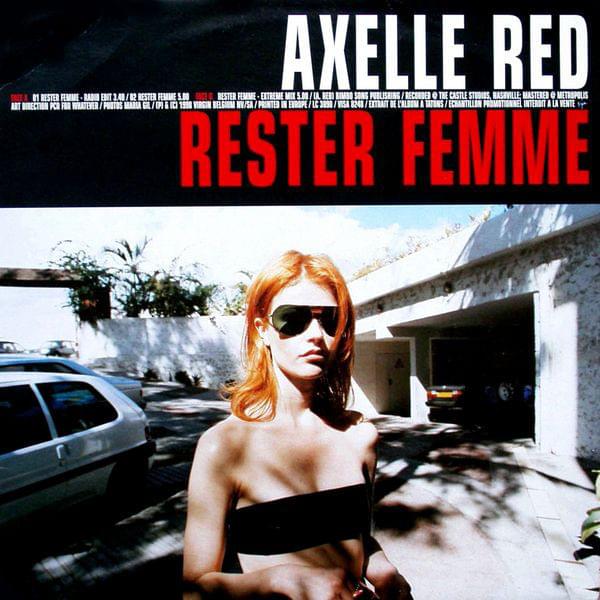
 View Artist