Song Meaning
The lyrics paint a picture of a driver navigating traffic, initially frustrated by other drivers cutting her off. There's a palpable tension between the mundane act of driving and a deeper, almost defiant assertion of presence. The narrator questions the purpose of traffic lanes and the perceived entitlement of others, setting a tone of mild annoyance that quickly morphs into something more complex.
The central conflict emerges when the narrator encounters a specific driver, described initially as attractive from behind. This encounter triggers a shift from general road rage to a more personal, almost flirtatious competition. She asserts her dominance by overtaking him, only to then smile when she sees his face, revealing a complex mix of bravado and a desire for his attention. This internal push-and-pull between independence and a need for validation is the emotional engine of the track.
The most striking craft element is the recurring motif of the "femme au volant" (woman at the wheel), which is subverted. It's not just about driving; it's about how this identity is perceived and how the narrator chooses to embody it. The lyrics suggest a societal expectation that a woman driving might be less assertive or competent, an expectation she actively challenges, yet simultaneously, she finds herself wanting to impress the male driver. The phrase "Tu me plais tu m'enchaînes" (You please me, you chain me) perfectly encapsulates this duality.
This song hits hard because it captures a very specific, relatable internal monologue. It’s the feeling of being underestimated, the flicker of competitive spirit, and the surprising vulnerability that can arise even in the most ordinary situations. The writing cleverly uses the driving scenario as a metaphor for navigating social interactions and personal desires, making the listener nod along to the unspoken complexities of asserting oneself while also seeking connection.
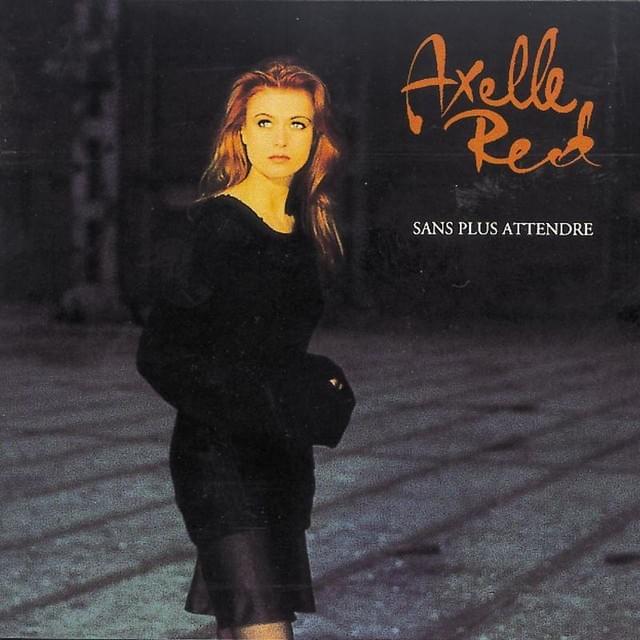
 View Artist