Song Meaning
The lyrics paint a picture of a final, desolate journey towards an inevitable end. There's a palpable sense of finality, with imagery like "black sun" and "old horizon" suggesting a departure from the familiar and a movement into the unknown. The immediate realization that "the world has gone" sets a tone of profound loss and cosmic finality, hinting that this isn't just a personal ending, but a universal one.
The central tension arises from the contrast between the narrator's awareness of doom and the world's apparent obliviousness or denial. Phrases like "the fools they cried 'all gonna die', but never got heard" highlight a tragic disconnect. The narrator seems to be one of the few who perceives the encroaching "doom," while others are either unheard or perhaps willfully ignorant, making the impending end feel even more isolating and inevitable.
The most striking element is the stark, almost biblical imagery of "written and engraved in stone" and "walls of doom," juxtaposed with the almost casual dismissal of "Doom lies really quite absurd." This creates a disorienting effect, suggesting that even in the face of absolute finality, there's a layer of surreal detachment or perhaps a desperate attempt to rationalize the incomprehensible. The repetition of "the end of our time" and "the last in our line" hammers home this theme of ultimate extinction.
Ultimately, the effectiveness of these lyrics lies in their ability to evoke a sense of grand, existential dread through potent, albeit bleak, imagery. The feeling of being the "last in our line" on a path "to nowhere" creates a powerful emotional resonance, capturing the chilling finality of an ending that is both personal and cosmic, leaving the listener with a profound sense of cosmic isolation.
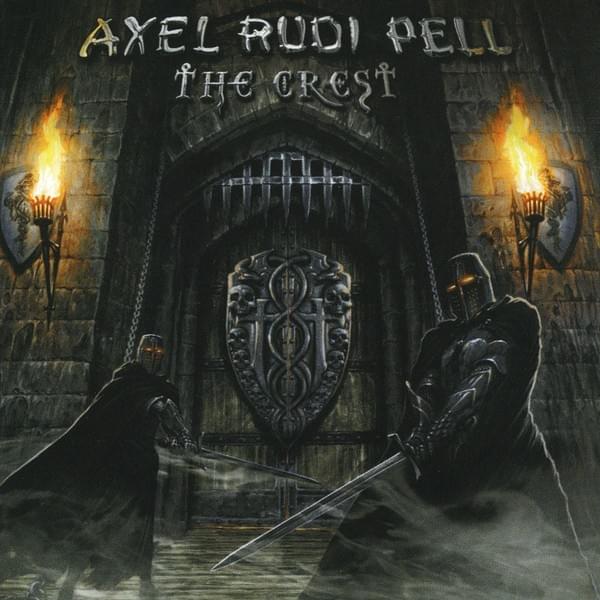
 View Artist