Song Meaning
The lyrics open with a defiant, almost chant-like affirmation: "Rock and roll can never die." This immediate declaration sets a tone of enduring spirit, hinting that there's "more to the picture" than initially appears. The simple refrain "Hey hey, my my" anchors this powerful statement, making it feel like an anthem.
Despite the initial declaration of immortality, the second stanza introduces a stark counterpoint. The imagery of moving "Out of the blue and into the black" suggests an inevitable, perhaps grim, transition. This phrase implies a shift from life or innocence to death or oblivion, reinforced by the blunt statement "you can't come back." There's also a hint of disillusionment in the exchange "You pay for this, and they give you that," suggesting an unfair bargain or a loss of control in this journey.
The lyrics then pivot to a consideration of legacy and artistic demise. The mention that "The king is gone" but "he's not forgotten" immediately evokes a powerful, enduring figure, while the question "Is this the tale of Johnny Rotten" injects a specific, rebellious energy. The most striking line offers a provocative philosophy: that it's "better to burn out than to fade away." This stark contrast champions a fiery, impactful end over a slow, gradual decline, suggesting a preference for intense, albeit brief, brilliance.
Ultimately, these lyrics resonate by juxtaposing the eternal spirit of rock and roll with the harsh realities of individual mortality and artistic choices. The repetitive, almost ritualistic "Hey hey, my my" reinforces the central thesis, making it feel like an undeniable truth. The blend of stark imagery, philosophical debate, and ambiguous cultural references creates a powerful, enduring statement about art, life, and legacy that feels both universal and deeply personal.
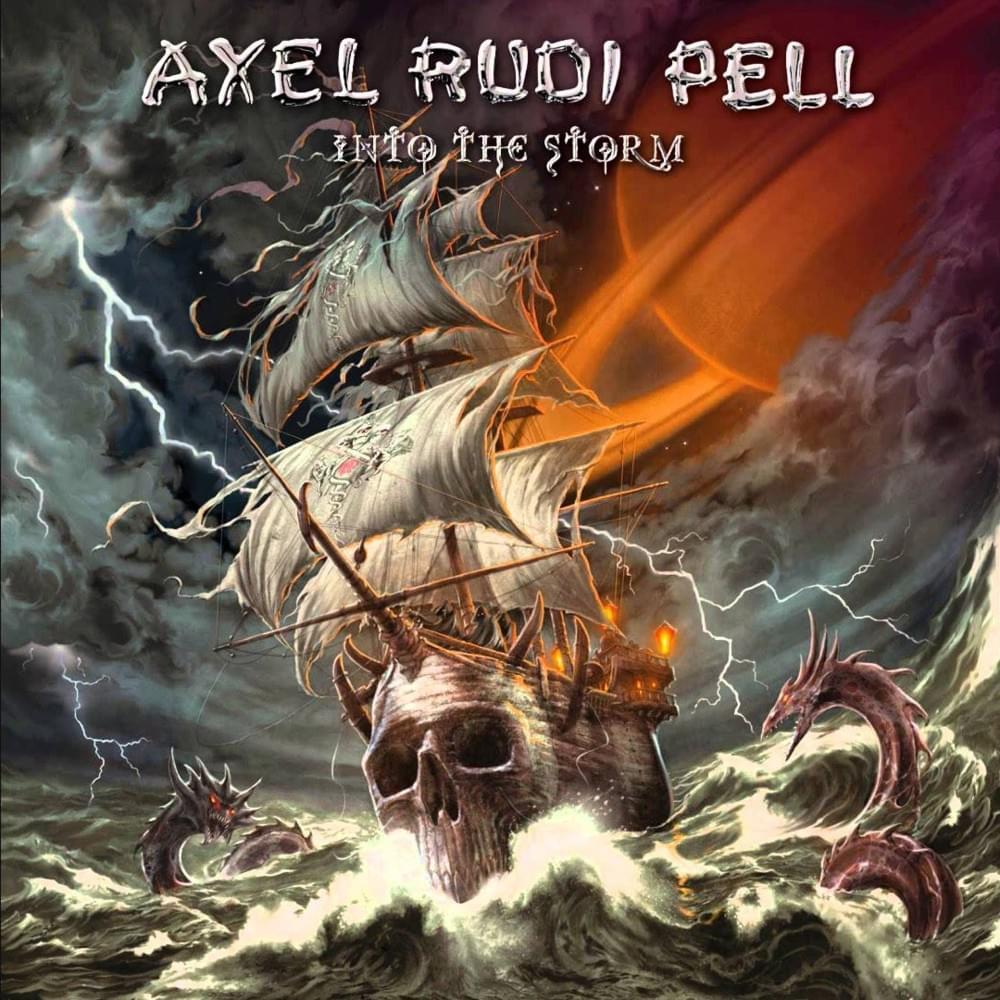
 View Artist