Song Meaning
The lyrics paint a stark picture of entrapment, suggesting that life on Earth is a temporary, difficult experience devoid of easy escapes. The narrator acknowledges that "life is not forever" and that "unlimited free runs are far away," immediately setting a tone of resignation mixed with a desperate desire for something more. There's a sense that while hardship is acknowledged as finite – "everything bad must come to an end" – the immediate reality is one of being "locked in the dirty hole of doom" with "no way out to attend."
The central tension arises from the contrast between the natural, perhaps hopeful, impulse to "follow the sun" and the grim reality of being "chained in the dungeon." This isn't a passive acceptance of fate; the repeated refrain "But tryin' to break the chains" injects a crucial element of struggle. The narrator is acutely aware of their confinement but actively fighting against it, even without clear signs of "a fast and easy rescue."
The most striking image is the recurring phrase "We don't follow the sun." This isn't just about a lack of direction; it implies a fundamental disconnect from a natural, perhaps brighter, path. The sun, often a symbol of hope and guidance, is inaccessible. Instead, the focus is on the immediate, oppressive "dungeon" and the desperate "tryin' to break the chains." The lyrics also highlight the frustrating passage of time, where "life runs faster than the truth," leading to regret and a sense of urgency, even as escape remains elusive.
What makes these lyrics resonate is their unflinching portrayal of feeling stuck despite an innate desire for freedom. The simple, repetitive structure of the chorus amplifies the feeling of being trapped in a cycle, while the underlying message of resistance – "tryin' to break the chains" – offers a sliver of defiant hope. It captures that universal feeling of facing overwhelming obstacles while still pushing back, even when the path forward is unclear.
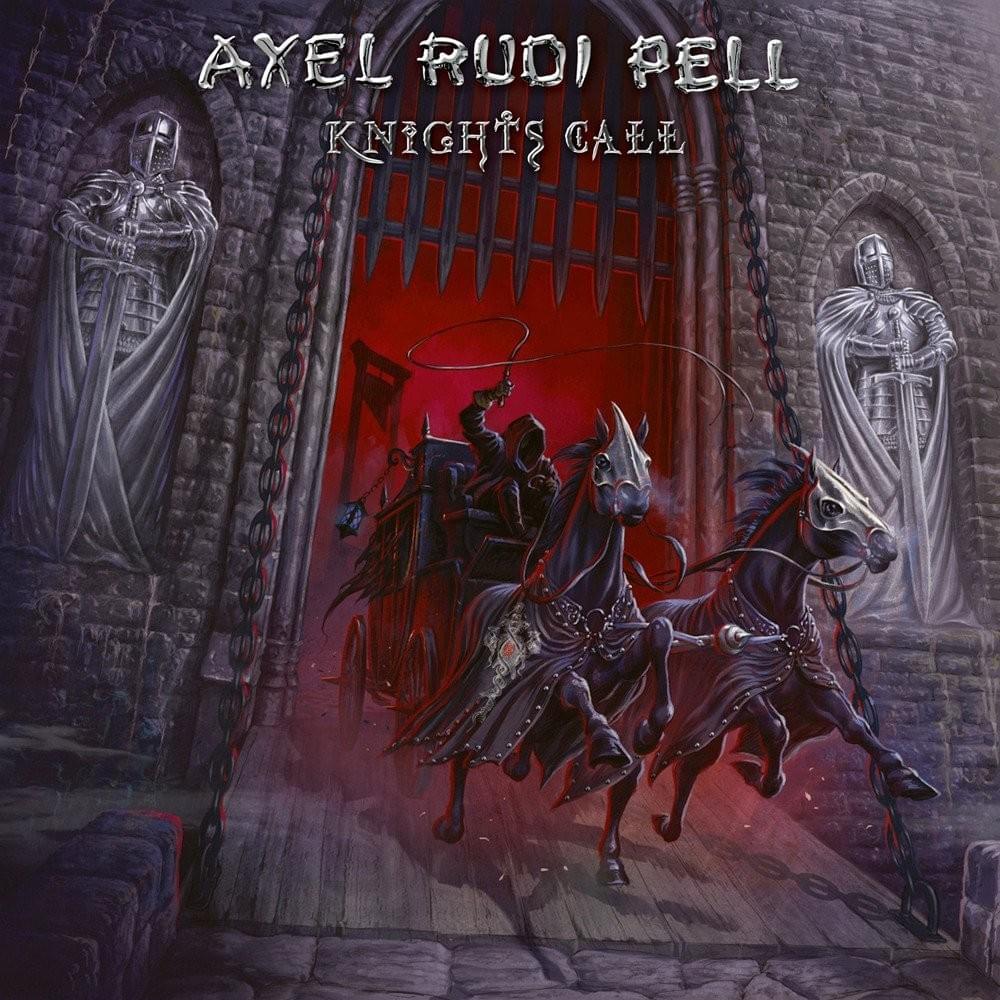
 View Artist