Song Meaning
The lyrics paint a stark picture of a society consumed by mediated reality, where authentic experience is supplanted by the allure of the screen. The opening lines, "Put up your books and tear up your magazines," immediately signal a rejection of traditional forms of knowledge and entertainment in favor of something new and, implicitly, more powerful. This shift is framed not as a choice but as an inevitability: "misery had to be." The narrator suggests that this embrace of "video inspiration" is a response to a pre-existing unhappiness, a desperate attempt to find fulfillment.
The central tension lies in the promise versus the reality of this "video inspiration." The chorus repeatedly claims that "There's nothing that we want / That video can't give us" and that "We can choose the lives / That we wanna live to." This suggests a world where desires are manufactured and fulfilled through visual media, offering a curated and controllable existence. However, the underlying tone hints at a hollowness; the inspiration comes from a passive consumption, a "way" that leads to everyone being "happily we are all led." The lyrics imply that this curated life is not truly chosen but rather dictated by the medium.
The most striking aspect of the craft is the relentless repetition of "Video, video, video inspiration." This chant-like structure emphasizes the all-encompassing nature of this influence, bordering on an obsession or a cultish devotion. The phrase "It tells us more than we could ever know" is particularly potent, suggesting that video not only provides information but actively shapes understanding and perception, eclipsing personal knowledge and experience. The act of turning down lights and shutting off the radio further isolates the viewer, creating a singular focus on the screen as the sole source of truth and desire.
Ultimately, these lyrics are effective because they capture a creeping sense of alienation and the seductive power of artificiality. The promise of unlimited choice and fulfillment through video feels both aspirational and deeply unsettling. The writing suggests that by outsourcing our desires and our understanding of life to a screen, we may be losing the very agency it claims to offer, becoming passive recipients of a manufactured reality.
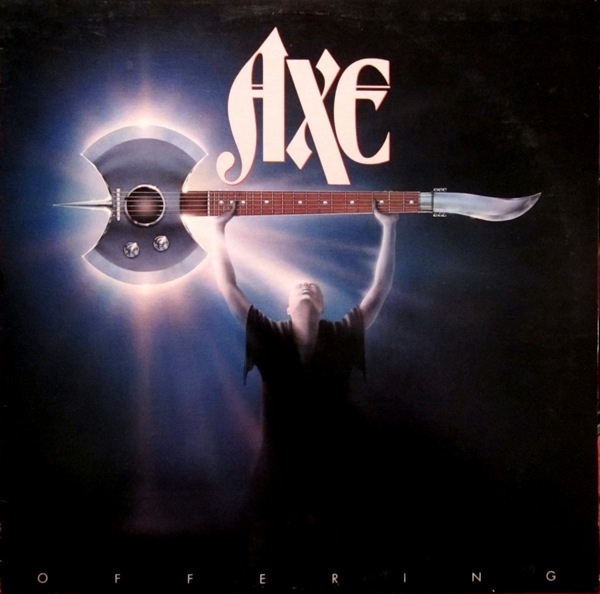
 View Artist