Song Meaning
The narrator is trapped in a cycle of self-doubt and destructive behavior. The repeated phrase "I am in my head forevermore" establishes a sense of inescapable rumination, a mental space where they feel perpetually stuck. This internal turmoil is externalized in the post-chorus, where they describe themselves as a "reckless wrecking ball," suggesting a chaotic and potentially damaging impact on their surroundings or relationships. The self-deprecating "Oh my, what the heck?" and "Sometimes I'm a wreck" highlight a resigned acceptance of this destructive tendency, framing it as an inherent, if inconvenient, part of their personality.
The core tension arises from the contrast between the narrator's internal state and their perception of external interaction. The interlude reveals a moment of vulnerability and disbelief, where the narrator is surprised someone would "take the time to be with me right now." This suggests a deep-seated insecurity, a feeling of unworthiness that clashes with the intimacy of a "beautiful little secret." The plea to "Just be as you were" implies a desire for authenticity and a fear that their own internal "wreck" will ruin this precious moment.
The lyrics employ a stark contrast between the intimate, almost whispered tone of the interlude and the aggressive, accusatory language of the verse. The verse unleashes a barrage of "Fake motherfucker," directed at an unnamed "you" who is a "terrible actor." This sudden shift in perspective from internal struggle to external denunciation creates a jarring effect, implying that the narrator's self-destructive tendencies might be fueled or exacerbated by perceived insincerity in others. The repetition of "You know who you are" acts as a taunt, a desperate attempt to force recognition and accountability from someone they feel has wronged them.
Ultimately, the effectiveness of these lyrics lies in their raw portrayal of a fractured psyche. The constant oscillation between self-recrimination and outward blame paints a picture of someone deeply uncomfortable in their own skin, lashing out as a defense mechanism. The "wrecking ball" imagery, combined with the feeling of being "in my head forevermore," captures the exhausting, self-perpetuating nature of this internal conflict, leaving the listener with a sense of unresolved chaos and emotional distress.
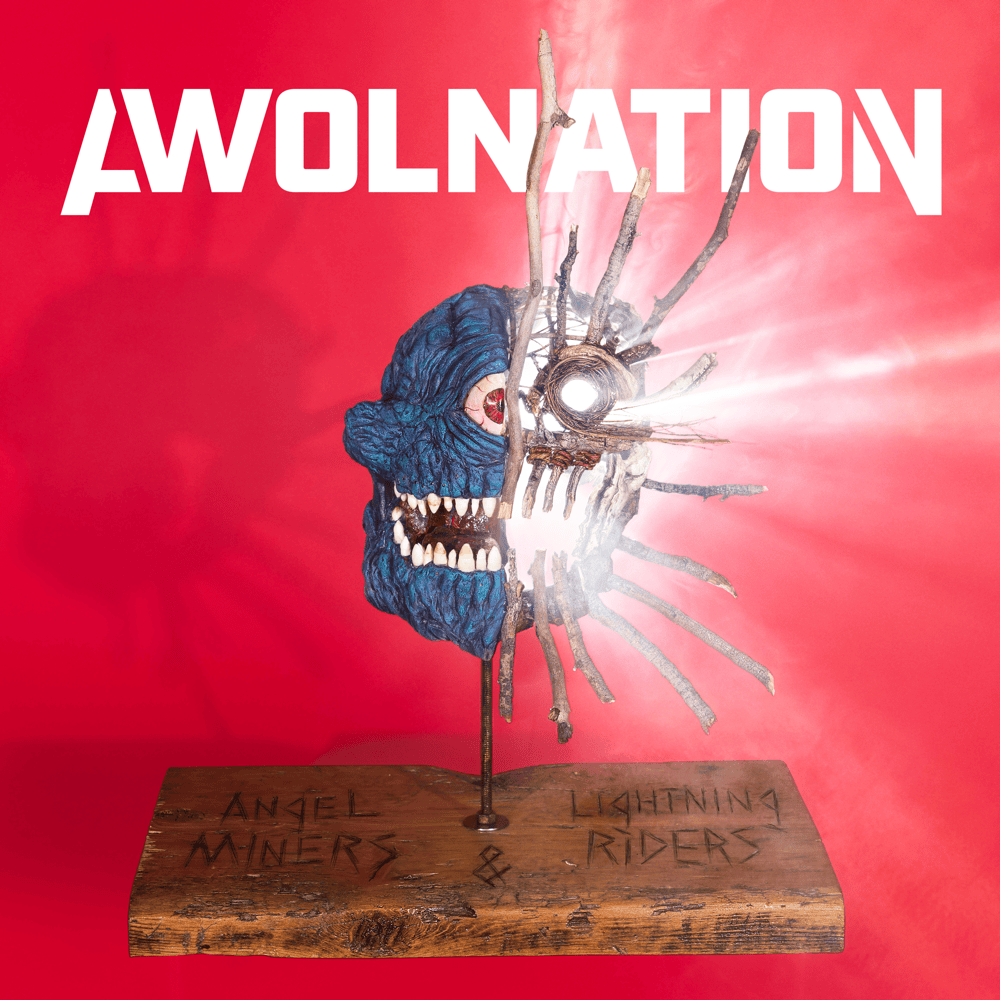
 View Artist