Song Meaning
The lyrics paint a grim picture of a nation grappling with the aftermath of a disaster, with the narrator asserting that the blame for ongoing violence and impending doom rests squarely on "us." This sense of collective guilt is amplified by the imagery of "roots of violence watered from a blood funnel," suggesting a cyclical and self-perpetuating problem.
The central tension lies in the refusal to acknowledge this shared responsibility. The narrator repeatedly asks, "When will we admit we are guilty?" highlighting a societal blindness or unwillingness to confront the source of its troubles. This is juxtaposed with the idea that "cheap violence values on screens" and the pursuit of ratings are desensitizing the public, making them complicit in the decay.
A particularly striking moment is the description of a peace being "murdered in the square," witnessed firsthand by the narrator. The subsequent image of a "religious man without God" who "saw too many signs" and "smiled in custody" offers a chilling commentary on the disconnect between outward piety and inner emptiness, and how even such figures can be swayed by destructive forces. The repeated phrase "the blame is on us" acts as a stark, unyielding refrain, refusing to let the listener off the hook.
This lyrical approach is effective because it avoids easy answers and instead forces a confrontation with uncomfortable truths. The direct address and the insistent repetition of blame create a sense of urgency and personal accountability. The narrator isn't just observing; they are demanding that the listener look in the mirror and recognize their part in the unfolding tragedy, making the message resonate deeply.
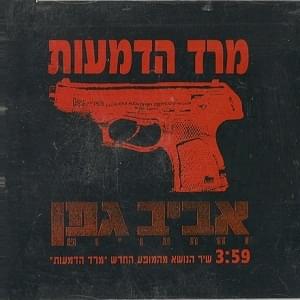
 View Artist