Song Meaning
The lyrics paint a stark, cyclical picture of human existence, beginning with the simple actions of waking, walking, and dying. This sets a tone of inevitability, immediately followed by the equally common experiences of love and separation. The narrator observes these fundamental human activities, highlighting their recurring nature across generations.
The central tension emerges from the contrast between these basic life events and the more destructive aspects of human behavior. The progression from 'growing up' and 'enlisting' to 'killing' introduces a sharp, unsettling turn. This juxtaposition underscores a perceived foolishness and violence inherent in humanity, creating a profound sense of disillusionment.
The repeated phrase "הם בני אדם" (They are human beings) acts as both an observation and a plea. It's a factual statement that grounds the preceding actions, but it also seems to serve as a rationale for the concluding sentiment. The imperative "אל תכעסו" (Don't be angry) is directly linked to this identification, suggesting that anger is perhaps an inappropriate or futile response to the observed human condition.
This lyrical structure is effective because it forces the listener to confront the difficult truth that the capacity for both love and destruction, growth and violence, are intertwined within the human experience. The simple, almost childlike observation of life's stages is deliberately undercut by the harsh reality of conflict, making the final plea for non-anger feel both resigned and deeply poignant.
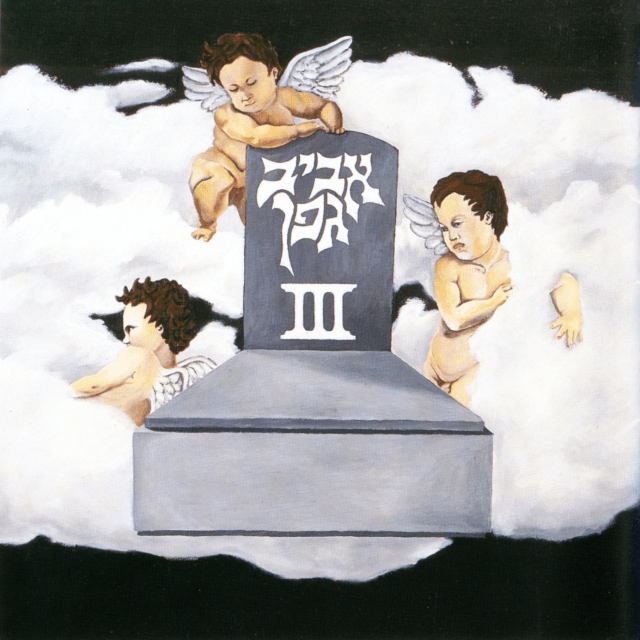
 View Artist