Song Meaning
The lyrics paint a vivid, almost dreamlike portrait of a melancholic autumn afternoon, centering on a figure whose gaze seems to absorb the very essence of the season. The opening lines immediately blur the lines between the external world and the subject's inner state, asking if the "sunlight color" is the same as "your eyes." This sets up a pervasive theme of reflection and absorption, where the natural world mirrors or is internalized by the person being described. The imagery of "soft hands" in the "autumn rain" and the "slanted afternoon sun" creates a gentle, almost fragile atmosphere, hinting at a quiet sadness.
The central tension arises from the contrast between the external beauty of autumn and an internalized sorrow. The narrator observes "sunlight for sadness into your hair" and "pale hands welcoming sorrow," suggesting a passive reception of melancholy. The question, "Why weren't the autumn leaves yellow back then? / And sunlight hadn't entered your eyes," implies a longing for a past state, perhaps one of innocence or happiness, before this pervasive sadness took hold. The recurring image of the park, with "silent footsteps" and "innocent eyes," underscores a sense of detachment and quiet observation.
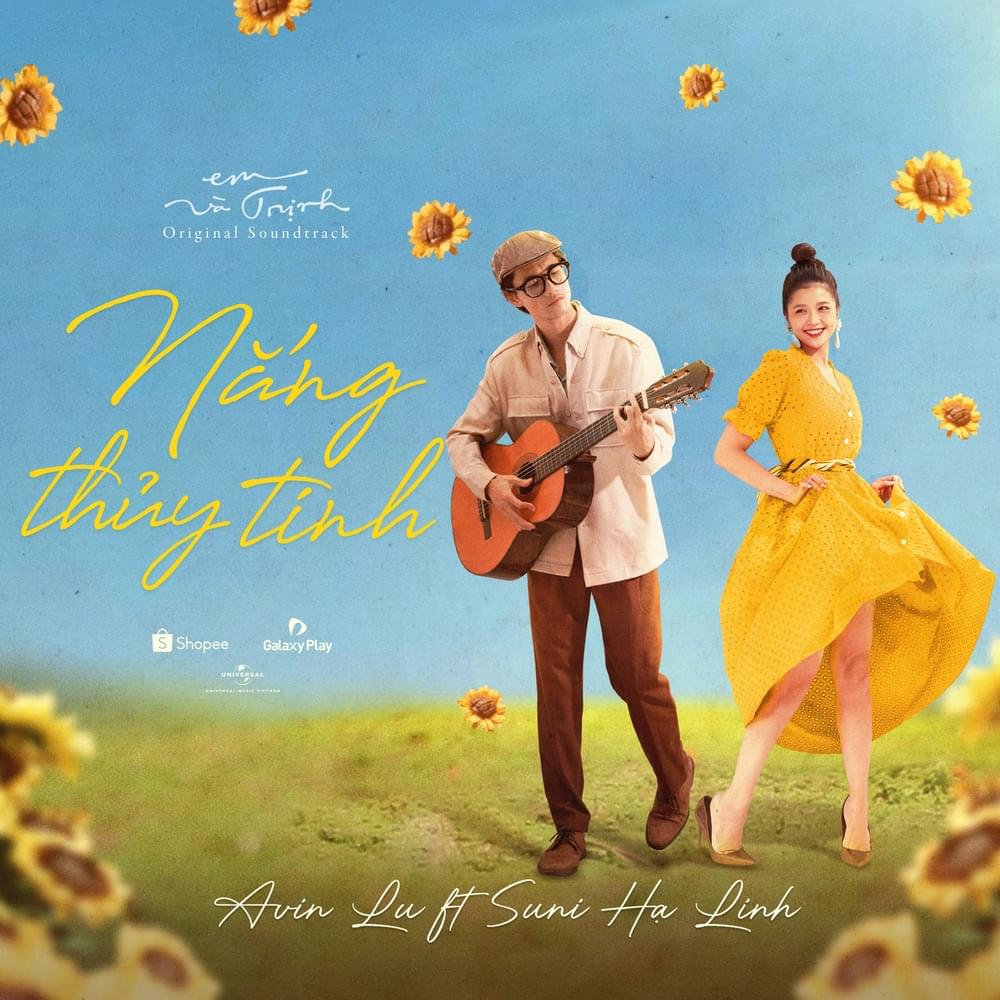
The most striking craft element is the extended metaphor of "glass sunlight" (nắng thủy tinh) that fills the subject's eyes. This isn't just sunlight; it's fragile, perhaps distorting, and intensely present. The "trees light candles in two rows" as the afternoon "goes into your eyes," creating a surreal, almost sacred scene. This imagery elevates the subject's gaze to something profound and captivating, while simultaneously deepening the sense of introspection and the overwhelming presence of this internalized light and sorrow.
These lyrics resonate because they capture a specific, almost ethereal mood of autumn melancholy. The writing doesn't explicitly state the cause of the sadness, allowing the listener to connect with the feeling through the evocative imagery and the gentle, observational tone. The way the external environment, from the sun to the trees, becomes a reflection or an extension of the subject's inner world creates a powerful sense of shared emotional space, making the quiet sorrow feel both personal and deeply felt.