Song Meaning
The lyrics paint a surreal encounter on a beach, where the narrator meets someone named P.J. who seems to be on the verge of death or a profound transition. The setting itself, a "sandy way" between "salty dunes," establishes a liminal space, neither fully land nor sea, mirroring P.J.'s ambiguous state. The narrator's initial confusion and inability to speak, followed by a shouted "Forever," suggests a desperate attempt to hold onto P.J. or the moment itself.
The central tension lies in P.J.'s existential question: "Is this the end? Or the beginning?" This query hangs heavy as he physically pulls away, "walked into the waves," a powerful image of departure. His parting words, advising to "Light a candle wind can shake / Let it take you to a place / Where nothing's all the time," offer a cryptic farewell, hinting at a release from earthly burdens or a surrender to the unknown.
The craft here is in the stark, dreamlike imagery and the abrupt shifts in tone. P.J.'s eyes are "like moons," and he "sailed by the golden masts," evoking a mythical, almost otherworldly quality. The contrast between the intimate "shoulder skin" grab and the vastness of the "cloud array" amplifies the personal stakes against a cosmic backdrop. The final lines, "Someone pull down the masts / One's folding too fast," introduce a sense of urgency and loss, as if P.J.'s departure is a collapse of something significant.
This encounter resonates because it captures a moment of profound, unanswerable questioning about life, death, and what comes next. The lyrics don't offer comfort or resolution, but rather the raw emotional impact of witnessing a soul's transition and the lingering feeling of plans lost to the tide. The ambiguity of P.J.'s fate and the narrator's subsequent grief over "my good friend's plans" makes the experience feel both deeply personal and strangely universal.
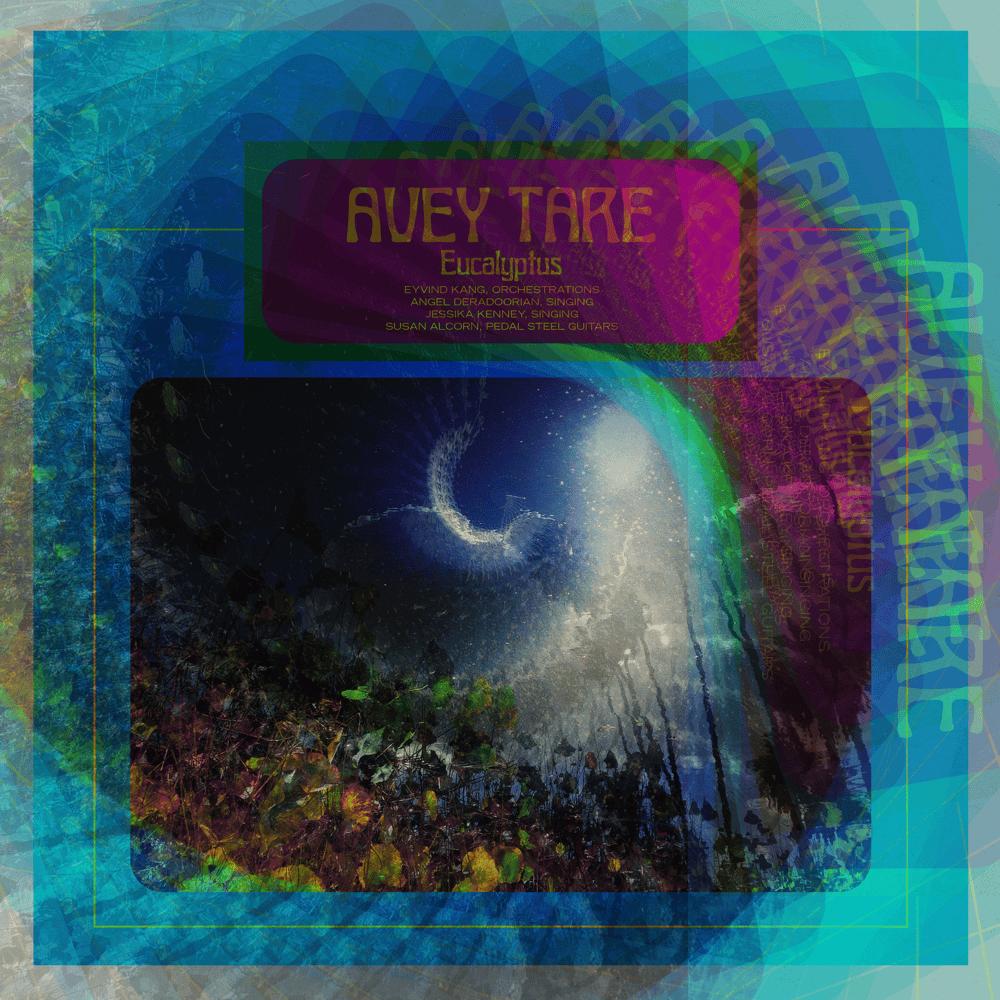
 View Artist