Song Meaning
The lyrics paint a picture of someone observing another person who possesses an almost supernatural ability to perceive hidden truths and forms. This "talent" is described as seeing animals or gas burners in driftwood, and more profoundly, seeing through people, walls, and even fur coats. The narrator, in contrast, can only see through windows when they are open, highlighting a stark difference in their perceptive capabilities. The repeated phrase "Toi tu as ce talent" (You have this talent) emphasizes the admiration and perhaps envy directed towards this gifted individual.
The central tension arises from the narrator's desire for a piece of this perceived gift. They directly ask, "Donne-m'en un peu" (Give me some), revealing a longing to bridge the gap between their own limited sight and the other's profound insight. This yearning is further amplified when the narrator questions if the talented individual can "dompter les rêves qui dévorent les hommes" (tame the dreams that devour men), suggesting that the talent extends beyond mere observation to a potential power over the subconscious or the destructive aspects of human nature.
A striking element of the craft is the juxtaposition of the extraordinary with the mundane and the specific. The ability to see animals in wood is contrasted with seeing gas burners, grounding the mystical in everyday objects. Later, the talent for painting wolves without knowing them is presented alongside a generalized affection for people, implying a superficial understanding or an abstract connection rather than deep empathy. This suggests the "talent" might not always equate to genuine understanding or connection, creating a subtle critique within the admiration.
Ultimately, the lyrics resonate because they tap into a universal human experience: the feeling of observing someone with seemingly effortless insight or ability, and the subsequent wish to possess a fraction of that power. The narrator's final, almost bewildered realization about their acquaintances – knowing more lesbians than people of color – feels like a candid, perhaps unintentional, confession of their own limited social perception, further underscoring the elusive nature of true understanding that the "talent" seems to represent.
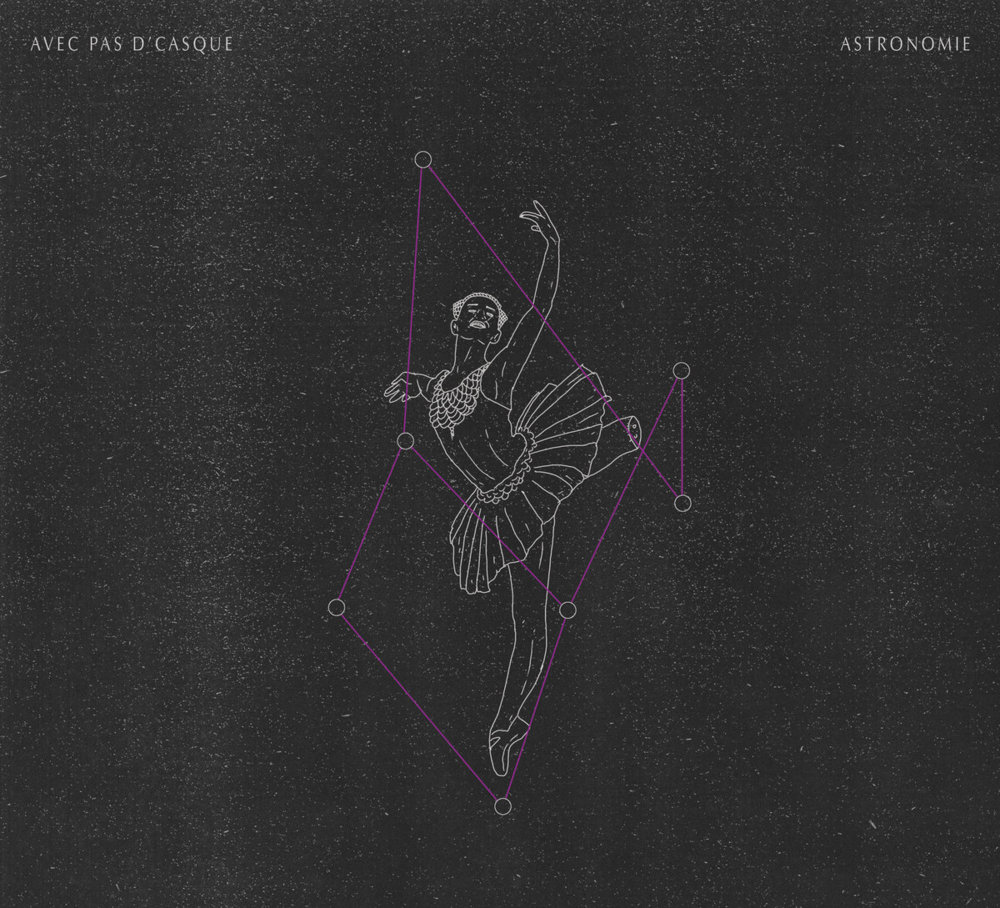
 View Artist