Song Meaning
The lyrics paint a picture of an urgent, almost clandestine invitation to escape the mundane and embrace a night of revelry. The opening lines, "Elle va être drole ce soir" and "Elle va voir le bonheur ce soir," set a tone of anticipation, suggesting a special event or encounter is imminent. The narrator urges their companion to prepare – "Brosse tes cheveux" and "Cire tes chaussures" – emphasizing the need for readiness to seize this fleeting moment of joy and excitement. The repeated phrase "viens avec moi" acts as a direct, insistent plea to join in the planned festivities.
The central tension lies in the contrast between the quiet intimacy of the bedroom, marked by "la lumière de ta chambre" and the declaration "il est minuit," and the promise of an expansive, exhilarating night. The narrator offers a darkly intriguing form of protection or retribution: "Je vais nourir tes ennemies," a line that injects a surprising, almost menacing edge into the otherwise celebratory invitation. This suggests a desire to clear the path, to eliminate any obstacles or worries so that the night can be fully enjoyed, culminating in the promise to "danser toute la nuit."
The imagery of wrapping oneself in the night, "Prend ton manteau pour envelopper la nuit," is particularly evocative. It transforms the darkness from something potentially isolating into a protective, enveloping cloak, a space for freedom and shared experience. This metaphor suggests that the night itself becomes a sanctuary, a canvas for their dance and connection, further amplified by the persistent ticking clock of midnight. The repetition of the bedroom light and the time reinforces the feeling of a specific, precious window of opportunity that the narrator is determined to make the most of.
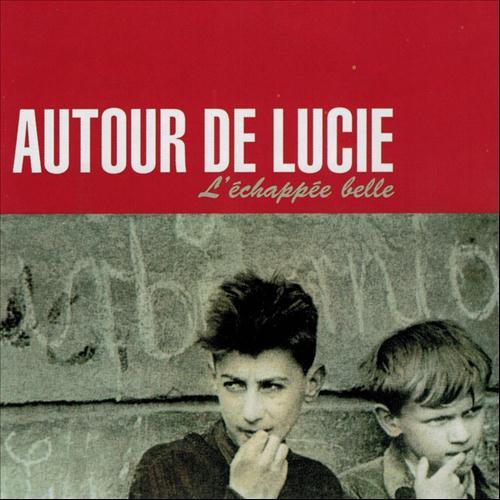
 View Artist