Song Meaning
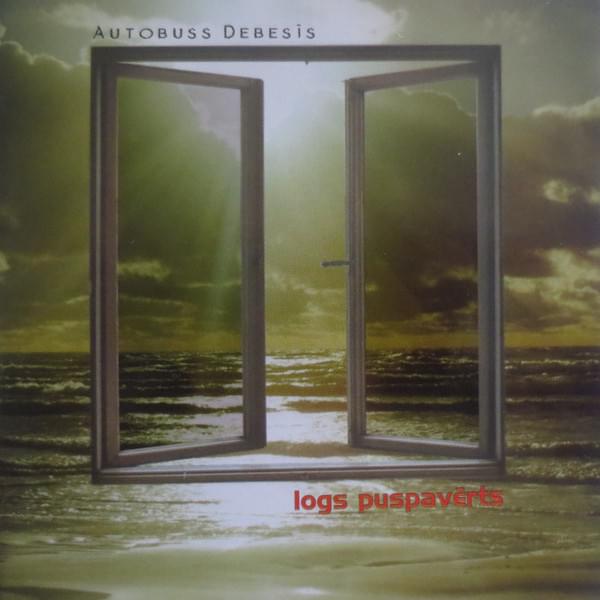
The lyrics paint a picture of a half-open window, a portal to a place where life has perpetually stopped. This isn't just stillness; it's a profound absence, a realm of the 'un-been' where time itself seems to melt away like breath. The dominant tone is one of melancholic stasis, a quiet ache for something lost or never attained.
The central tension lies in the contrast between this frozen, 'un-been' existence and the fleeting nature of what *was* or *could have been*. The narrator observes this stagnant space, noting how everything that never existed is gathered there, yet time is melting. This paradox suggests a deep yearning, a contemplation of potential futures or pasts that are simultaneously present and eternally out of reach, carried away on a 'weak wind' like happiness.
The most striking imagery is the idea of a childhood running through a desert, leaving behind the 'flutter of bird wings' as footprints. This surreal vision within the stagnant space evokes a sense of lost innocence and ephemeral traces. The repetition of "Kā laimi tavu" (Like your happiness) anchors this abstract contemplation to a specific, personal sense of loss, making the abstract desert of 'un-been' feel intimately connected to a lost joy.
This lyrical construction is effective because it uses evocative, dreamlike imagery to explore profound feelings of absence and longing. The half-open window acts as a powerful, simple metaphor for a state of being perpetually on the verge of something, yet never fully arriving. The blurring of time and the surreal childhood vision create an emotional resonance that speaks to the universal human experience of looking back at what might have been.
 View Artist