Song Meaning
The lyrics present a stark, almost nihilistic view of existence, oscillating between totality and absence. The opening lines, "Viss ir / Nekas nav" (Everything is / Nothing is), immediately establish a foundational paradox. This duality is then expanded to include all entities, "Arī mūs / Viņš, viņa / Es un tu" (Even us / He, she / Me and you), suggesting that even personal relationships and individual identities are subsumed by this grand, ambiguous state of being. The phrase "Ieskaitot, protams, / Sajūtu" (Including, of course, / Feeling) is particularly striking, implying that even subjective experience is part of this all-encompassing, yet potentially empty, reality.
The core tension arises from the series of existential questions that follow, probing spatial and temporal relationships: "Kur mēs esam? / Uz vai pie? / Pirms vai aiz? / Zem vai virs?" (Where are we? / On or at? / Before or behind? / Under or over?). These questions highlight a profound disorientation and a search for definition within a seemingly fluid or undefined existence. The repeated "Kas mūs šķir? / Kas neizšķirs?" (What separates us? / What won't separate?) further emphasizes the ambiguity of connection and division, questioning the very boundaries that define individuals and their relationships. The simple, almost dismissive answer, "Tāpēc ka rau" (Because look), offers no real resolution, reinforcing the cyclical nature of the paradox.
The most compelling aspect of the writing is its minimalist, repetitive structure, which mirrors the lyrical content. The stark pronouncements of "Viss ir" and "Nekas nav" act as refrains, grounding the listener in a constant state of uncertainty. The inclusion of "Sajūtu" (Feeling) as something to be "included, of course" is a subtle but powerful move. It suggests that even the most intimate and personal aspect of human experience is not exempt from the overarching condition of existence, whether that condition is fullness or void. This deliberate lack of elaboration forces the listener to confront the profound implications of these simple, yet loaded, statements.
Ultimately, the lyrics resonate because they tap into a fundamental human unease about meaning and place. By employing a stripped-down vocabulary and a circular structure, the writing creates a disquieting atmosphere that feels both vast and claustrophobic. The effectiveness lies in its refusal to offer easy answers, instead presenting a raw, unvarnished contemplation of being, where even the most certain aspects of life, like personal feelings, are cast into doubt. The constant return to the central paradox leaves the listener suspended in a state of thoughtful contemplation, questioning their own place within the grand scheme of things.
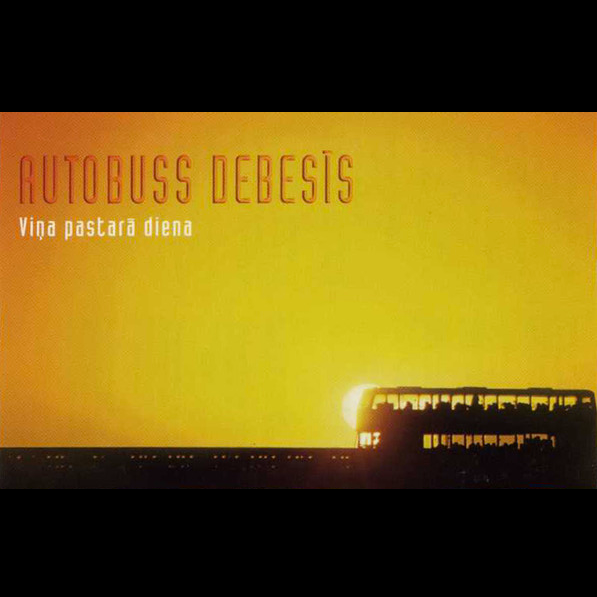
 View Artist