Song Meaning
The lyrics paint a picture of internal struggle and burgeoning self-awareness, shrouded in a nocturnal, almost dreamlike atmosphere. The opening lines, "The dark night / It calls me," immediately establish a sense of being drawn into something unknown, a destiny or realization that feels both inevitable and perhaps a little dangerous. This internal pull is described as "Bleeding in my chest," suggesting a deep emotional cost or pain associated with this unfolding awareness, a feeling that the "fool in you will know" this truth.
The central tension seems to reside in the conflict between an inner world and an external one, or perhaps between a past self and a future one. The repeated phrase "In my head / In my head / In my head" acts as a powerful anchor, emphasizing that this realization is primarily an internal, perhaps overwhelming, experience. It’s a mental space where the truth, however painful or revealing, is being processed. The narrator is actively "spread[ing] wings," a metaphor for embracing a new identity or path, even if it leads "towards / What isn't for the search that I respect," implying a deviation from expected or conventional routes.
The most striking aspect of the craft is the juxtaposition of vulnerability and defiance. The bleeding chest and the fool who knows suggest a painful exposure, yet the spreading wings and the internal repetition point to a determined, albeit internal, movement forward. The phrase "the war is ever left" in the village hints at an ongoing, perhaps unresolved, external conflict or societal pressure that the narrator is navigating or leaving behind. This internal processing, "in my head," becomes the battleground where the narrator confronts and accepts this truth, even if it means being perceived as a fool by others or by a past version of themselves.
Ultimately, the lyrics resonate because they capture the isolating yet empowering nature of self-discovery. The internal monologue, the sense of being called by the "dark night," and the act of spreading wings all contribute to a feeling of profound personal transformation. The repeated emphasis on the internal "head" space highlights that this is a deeply personal journey, one where the acceptance of a hidden truth, even with its associated pain, is the most significant act. The narrator is forging ahead, driven by an internal imperative that overrides external judgment or expectation.
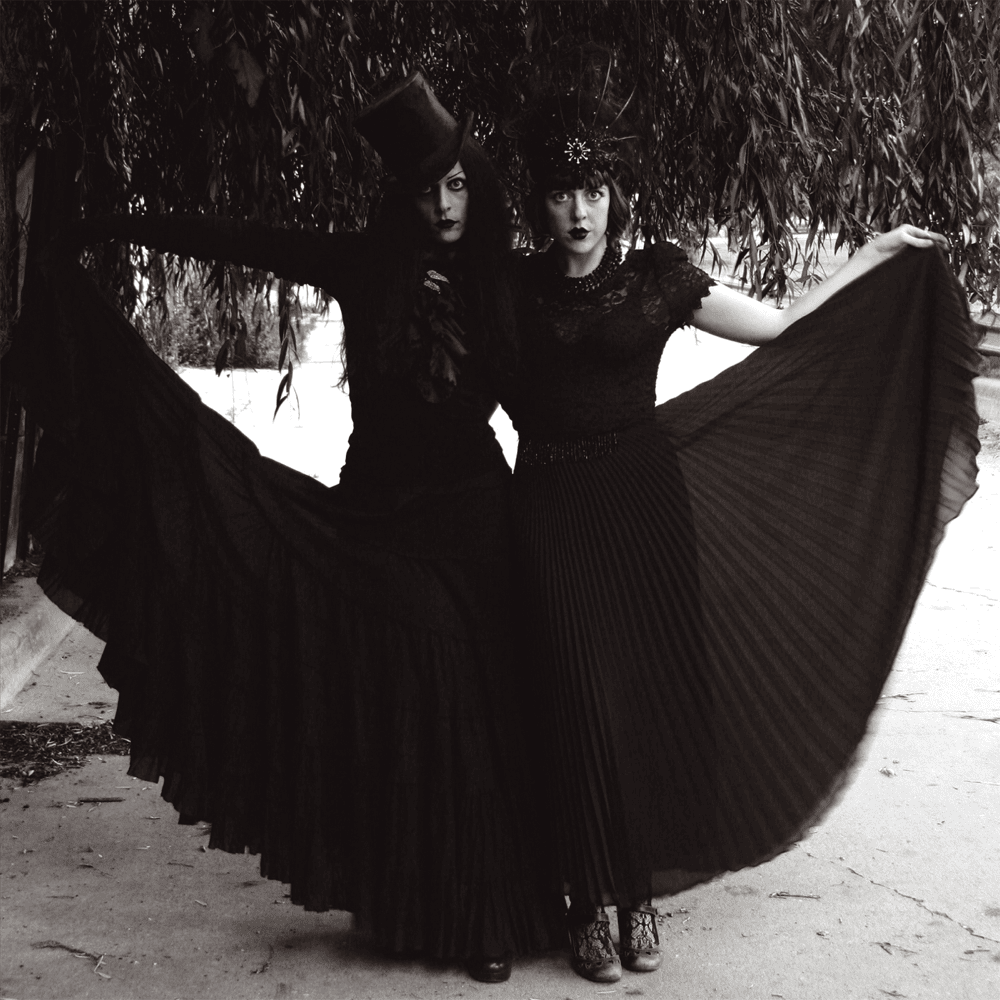
 View Artist