Song Meaning
The lyrics paint a stark picture of two figures, "Little Louie and I," seeking refuge from a threatening "outside." This external world is characterized by conflict, hiding, and a sense of being watched or judged, with those "out there" appearing larger and more menacing than they truly are. The immediate environment, a "house," is presented as a sanctuary, a place where they can momentarily escape the dangers and the deception that pervade the world beyond its walls. The repeated phrase "we are safe" acts as a desperate mantra against the encroaching fear.
The central tension lies in the precariousness of this safety and the yearning for genuine freedom. The narrator questions the very definition of home and security when the external threats are so pervasive and the internal state is one of constant vigilance. The act of "dancing about the door" is offered as a potential key to liberation, a symbolic gesture of defiance or perhaps a naive belief in a simple escape route. Yet, the repeated question, "How do you know when your safe?" underscores the deep uncertainty and the difficulty of finding true security.
The most striking aspect of the writing is the constant contrast between the perceived threat outside and the fragile safety within, coupled with the admission of shared deception: "Sometimes they are lying, so are we." This blurs the lines between victim and perpetrator, suggesting that the need to survive in a hostile world necessitates its own forms of dishonesty. The repetition of "Little, little Louie and I, could be free / If we danced about the door" emphasizes the persistent hope for an escape that feels just out of reach, a simple action that might unlock an unattainable state of freedom.
These lyrics resonate because they capture a primal feeling of seeking shelter and the gnawing doubt that such shelter is ever truly secure. The simple, almost childlike imagery of "dancing about the door" juxtaposed with the adult anxieties of "fighting," "stealing," and "lying" creates a powerful emotional effect. It speaks to the universal desire for a safe haven and the complex reality that even within perceived safety, the shadows of the outside world and our own compromises can linger, and do, linger.
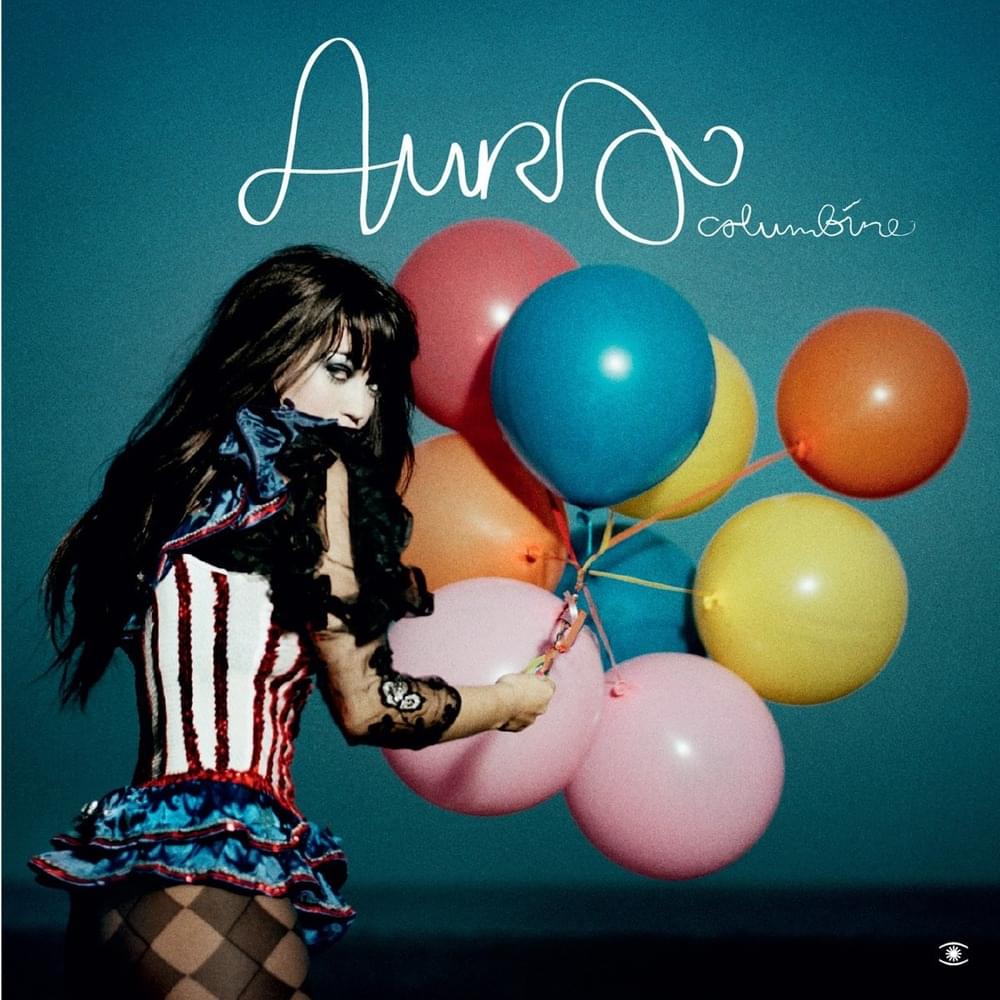
 View Artist