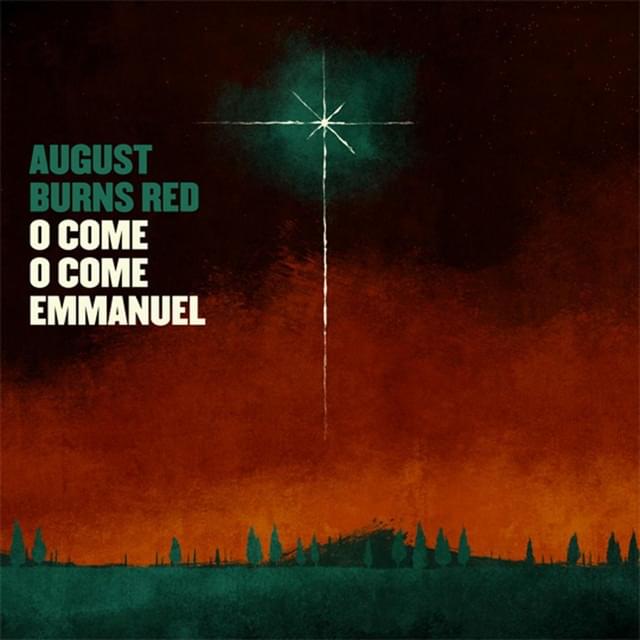
O Come, O Come, Emmanuel
Song Meaning
The lyrics of "O Come, O Come, Emmanuel" paint a stark picture of a people in deep distress, yearning for liberation. The opening lines immediately establish a tone of profound sorrow and captivity, with the repeated plea for Emmanuel, meaning "God with us," underscoring a desperate need for divine intervention. The imagery evokes a sense of being bound and oppressed, waiting for a promised rescuer to break these chains. This isn't just a historical account; it feels like a raw cry from the heart of anyone experiencing hardship. The central tension lies in the agonizing wait for salvation. The verses systematically list the forms of suffering: "captivity," "sorrow," "mourning," and "wandering in a lonely way." Each stanza builds upon the last, amplifying the urgency of the request for Emmanuel to come and set the captives free. It’s a powerful expression of hope held in the face of overwhelming despair, a testament to faith when all seems lost. The recurring refrain, "Rejoice! Thou shalt be delivered," acts as a counterpoint to the lamentations, offering a prophetic glimmer of hope amidst the darkness. This juxtaposition of present suffering with future deliverance is a key element of the lyrics' emotional power. It suggests that even in the deepest valleys, the promise of redemption provides a reason to hold on. The structure itself, moving from specific grievances to a universal call for joy, guides the listener toward that eventual relief. Ultimately, the effectiveness of these lyrics stems from their directness and their profound emotional resonance. By focusing on the tangible aspects of suffering and the singular, powerful hope for Emmanuel, the song bypasses complex theology for a primal human need: to be freed from pain and reunited with the divine. The repeated calls and the promise of rejoicing create a powerful emotional arc, transforming a plea into an anthem of enduring faith.
 View Artist
Lyrics
[Instrumental]
Rate this song
0/5.0 - 0 Ratings
Loading comments...
Credits
- Writers
- John Neal
- Henry Sloane Coffin