Song Meaning
The lyrics paint a picture of profound detachment and a struggle with reality. The narrator begins by admitting a pervasive forgetfulness, unable to recall simple details like a magazine's title or the animals pictured within it. This initial haze sets a tone of unreliability, suggesting a mind adrift, disconnected from concrete information and perhaps even from its own experiences. The repeated phrase "I forget" underscores this inability to grasp or retain the external world.
The central tension emerges from a deep-seated fear and avoidance of truth and self-knowledge. The narrator states, "I can't tell you what's not true / I'm afraid of what I knew / I'm afraid of what I'll do." This suggests a conscious effort to suppress past knowledge and a dread of future actions, indicating a significant internal conflict. The fear isn't just of external falsehoods, but of the narrator's own internal landscape and potential behaviors.
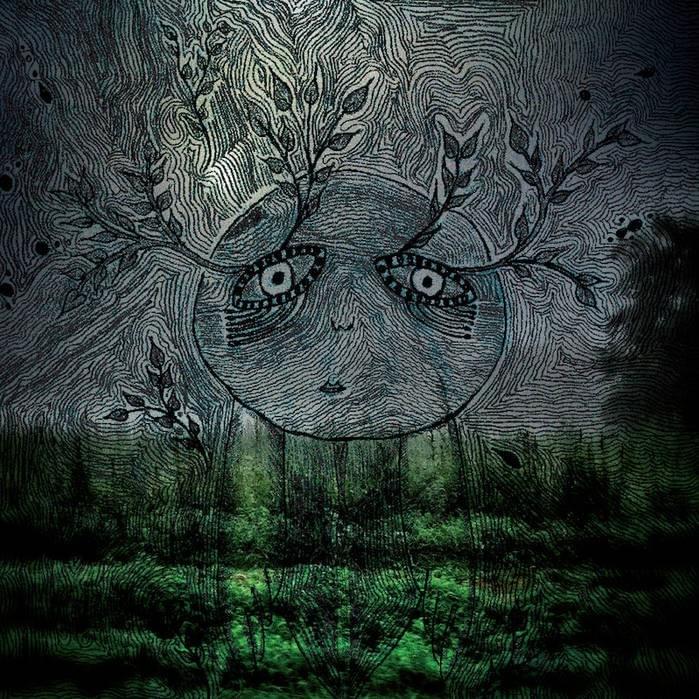
The most striking element is the introduction of the "mannequin" as a confidant and source of distorted perception. This inanimate figure, lacking eyes, becomes a passive recipient of the narrator's thoughts, a "mannequin to lie upon." The claim that the mannequin "helps me see radially" is particularly intriguing, implying a warped or expansive, yet ultimately artificial, way of processing the world. This bizarre relationship highlights the narrator's isolation and their reliance on an unfeeling object to navigate their fractured reality.
This lyrical construction is effective because it uses the narrator's fragmented memory and surreal imagery to convey a palpable sense of psychological distress. The juxtaposition of mundane forgetfulness with apocalyptic visions of God "strangling the next man" creates a jarring and unsettling effect. The mannequin, a symbol of artificiality, becomes the only stable point in a world that is collapsing both internally and externally, making the narrator's detachment feel both tragic and deeply disturbing.
 View Artist