Song Meaning
This track kicks off with a defiant declaration of post-breakup joy, a stark contrast to typical heartbreak anthems. The narrator immediately frames the end of the relationship not as a loss, but as a gain, specifically highlighting "tiempo para estar" – time to be with someone else, time for solitary pleasures, and time to forget past love. This isn't just moving on; it's a celebration of newfound freedom and self-sufficiency.
The central tension lies in the narrator's simultaneous assertion of happiness and admission of profound loneliness. While they claim "qué felicidad" and "me siento feliz," the repeated phrase "Estoy muy solo, muy solo sin ti" reveals a complex emotional landscape. This juxtaposition suggests the joy isn't a simple, unadulterated emotion, but rather a hard-won state achieved by actively filling the void left by the relationship, even if that filling is with solitude or the prospect of new connections.
The most striking aspect of the writing is the blunt, almost aggressive honesty about what this newfound time allows. The explicit mention of "masturbarme más" and the practical observation that "La cama es muy grande sin ti" ground the abstract concept of freedom in very tangible, personal experiences. This unflinching self-focus, coupled with the mundane detail of attending a soccer match ("ir a la cancha a ver al campeón"), creates a portrait of a person reclaiming their life in its entirety, from the deeply personal to the publicly communal.
Ultimately, the lyrics resonate because they flip the script on romantic loss. Instead of dwelling on what's missing, the narrator focuses on the abundance of what's now possible. The repeated emphasis on having "mucho más" time, and the somewhat contradictory but ultimately affirming "me siento feliz / Conmigo," crafts a powerful statement about self-discovery and the unexpected liberation that can follow even a painful separation.
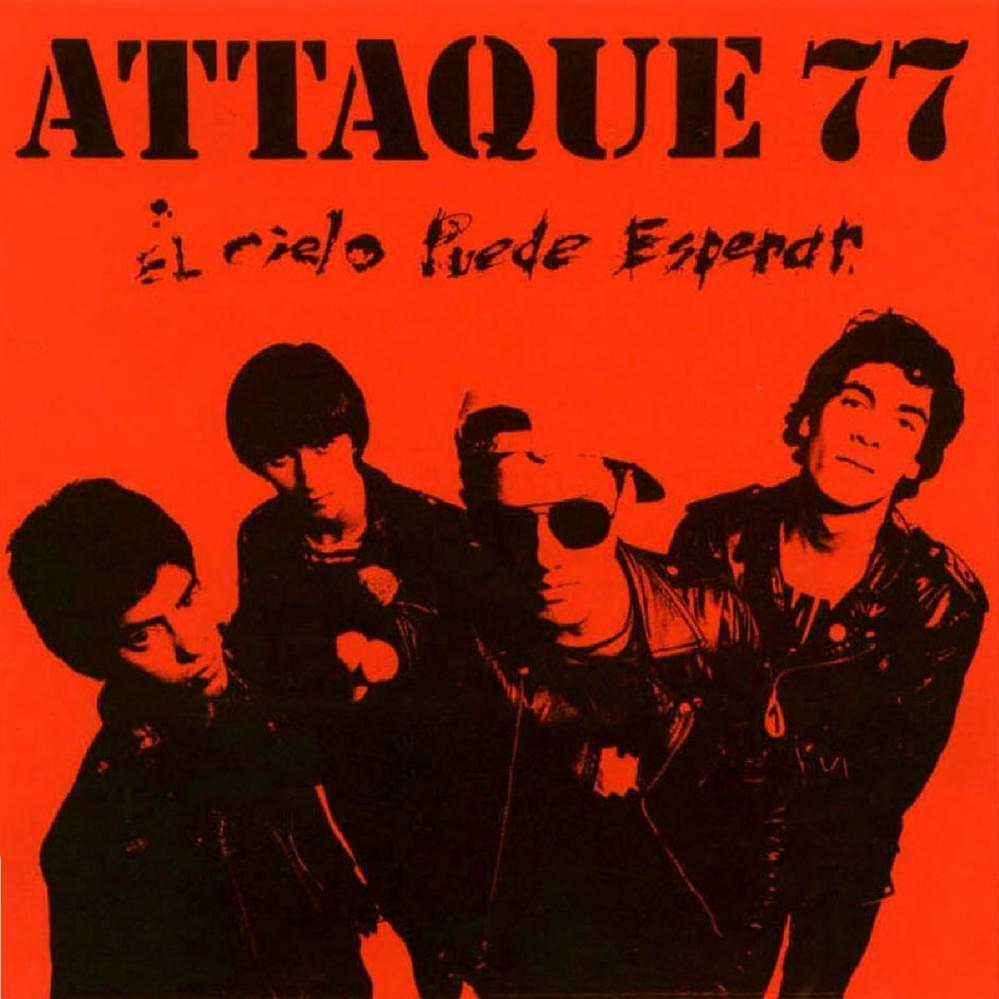
 View Artist