Song Meaning
These lyrics paint a stark, unvarnished picture of the holiday season. The scene opens with a jarring image: "Papá llegó borracho / Como de costumbre." It immediately establishes a sense of routine disappointment, far from any idealized festive cheer.
The central tension here lies in the brutal contrast between the traditional holiday greetings and the grim reality. The repeated refrain of "Navidad, navidad / Dulce navidad" feels less like a celebration and more like a bitter echo against the backdrop of a drunken father, "nuevas atrocidades" in the daily paper, and the absence of festive treats like "champagne" or "caviar." The phrase "Como de costumbre" underscores a weary resignation, suggesting these disappointments are not isolated incidents but an expected part of life.
The craft truly shines in its use of cynical juxtaposition. The hopeful cliché "Año nuevo, vida nueva" is instantly undercut by the punchy, pragmatic follow-up: "Año nuevo, impuesto nuevo." Later, the lyrics offer a poignant, almost ironic hope for "Nuevas mentes sanas" for a world described as "podrido." This sharp contrast highlights a deep disillusionment, where even the promise of new beginnings is tainted by persistent societal decay.
What makes these lyrics so effective is their unflinching honesty and the narrator's vulnerable questioning. The simple plea, "Sólo quiero saber / Cuál es mi porvenir / Y cuántas navidades / Van a ser así," cuts through the cynicism to reveal a deeply human desire for understanding and a fear of an endless cycle of the same. It's a powerful moment that makes the listener feel the weight of these customary, yet deeply personal, disappointments.
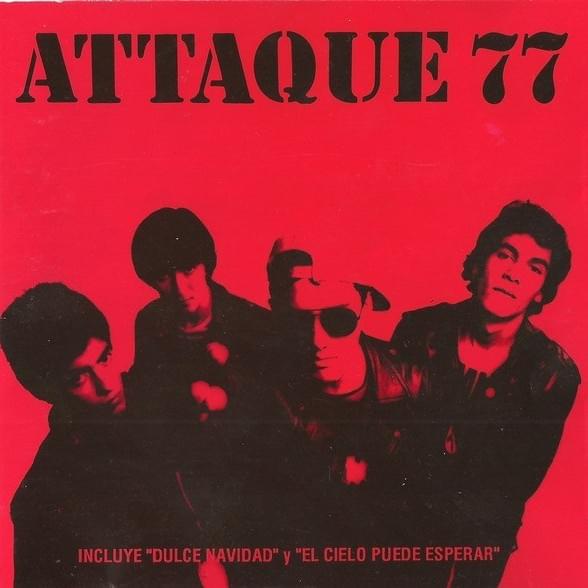
 View Artist