Song Meaning
The lyrics paint a visceral picture of disgust and alienation directed at a "maldito lugar" and its inhabitants. The narrator feels overwhelmed and sickened by a "falso pueblo" that feigns community while exhibiting destructive, self-serving behaviors. This intense negative reaction fuels a desire to escape, to leave the "mierda, cosmopolita" behind and run "deprisa no mires atrás."
The central tension arises from the narrator's profound rejection of the surrounding society, which is characterized by a litany of harsh descriptors: "egocentrista, machista, fascista." These terms, coupled with "instinto asesino" and the image of "bestias del caos," suggest a society that is not just flawed but fundamentally predatory and chaotic. The repeated phrase "siempre quieren más" highlights a relentless, insatiable greed that drives this destructive cycle.
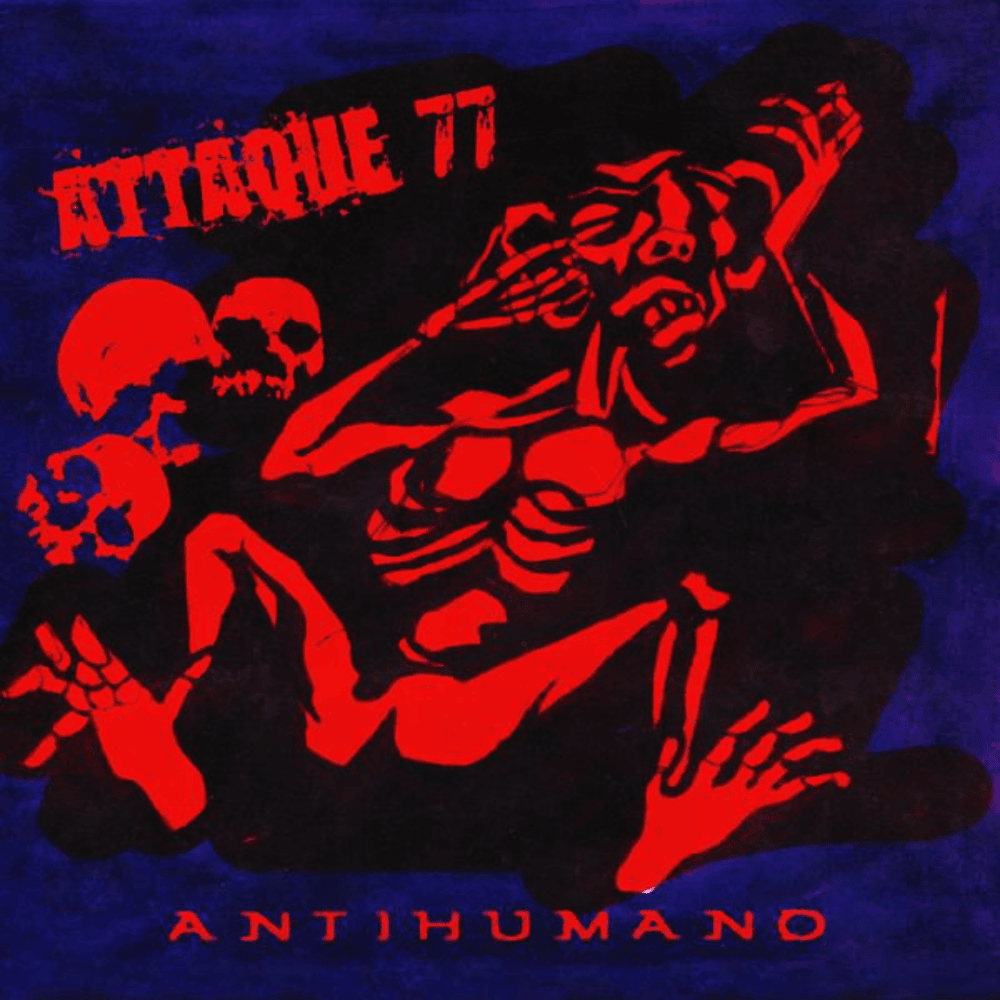
The most striking element is the narrator's self-identification as "antihumano." This isn't a simple statement of being different; it's a declaration of being antithetical to the perceived "humanidad" that is "peste." By claiming this label, the narrator positions themselves outside the corrupt system, even as they acknowledge their own descent into madness: "No paro de enloquecer, cada día un poco más." This creates a complex internal state, where rejection of the world leads to personal disintegration.
Ultimately, the raw, aggressive language and the stark contrast between the narrator's internal state and the external world make these lyrics hit hard. The feeling of being trapped in a decaying, predatory environment, coupled with the narrator's desperate, self-destructive attempt to break free, creates a powerful sense of urgent, almost nihilistic, despair.
 View Artist