Song Meaning
Leaden skies and screaming winds paint a stark picture of impending dread. Amidst this chaos, a voice urgently commands stillness and basic survival. It's a chilling scene of widespread panic, met with a desperate, repeated denial.
The core tension here hinges on a stark contrast: pervasive fear against a fervent, almost ritualistic reassurance. The repeated question, "Why does panic seize you?", immediately grounds the listener in a state of acute anxiety. Yet, this is quickly countered by the insistent, almost hypnotic refrain, "There won't be," a phrase that feels less like a promise and more like a desperate incantation against an unthinkable future. This push-pull between dread and denial creates a profound sense of unease, suggesting a reality too terrifying to fully acknowledge.
The lyrics masterfully employ repetition to underscore this internal struggle. Commands like "stop, stop" and "sit, eat" aren't just practical advice; they're a primal plea for grounding amidst a world spiraling out of control. This rhythmic insistence on basic actions highlights the fragility of human composure when faced with overwhelming external threats. It suggests a desperate attempt to reclaim normalcy when authority figures are perceived as deceitful and the news itself is a cacophony.
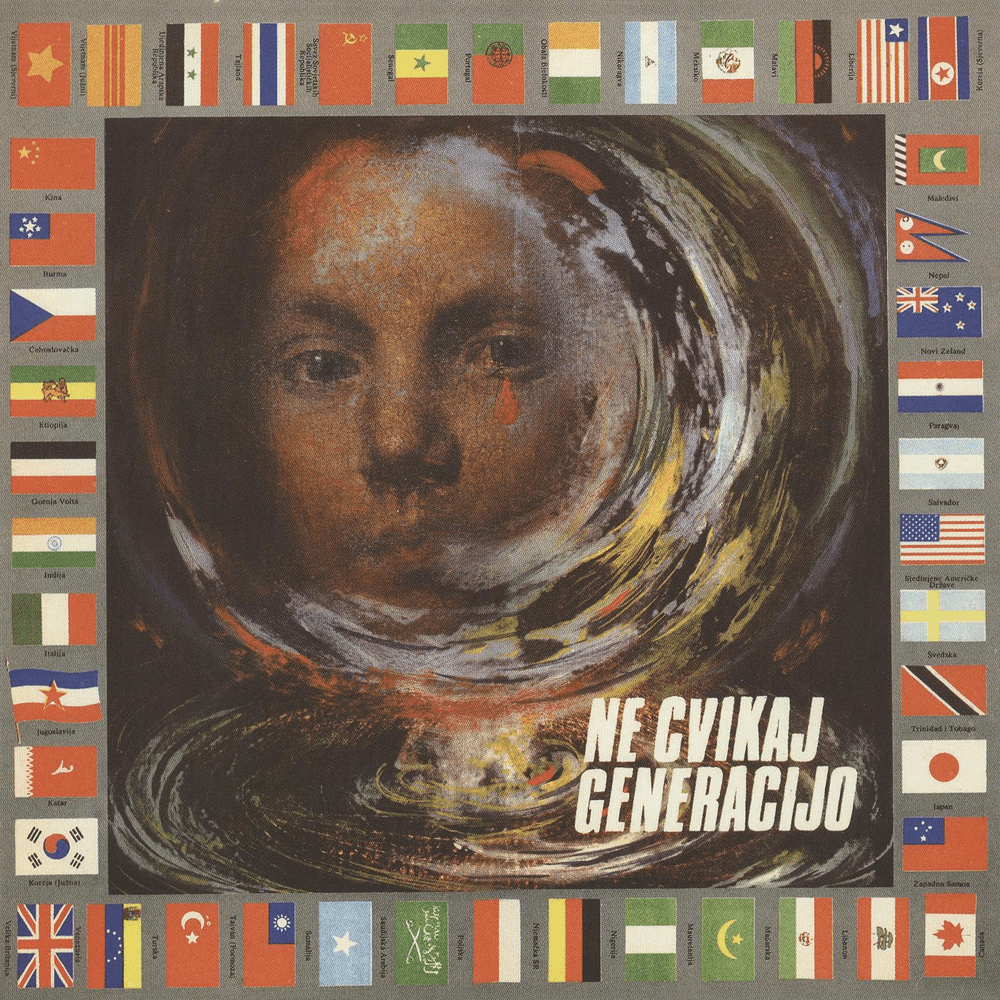
Ultimately, these lyrics hit hard because they capture the raw, visceral experience of collective anxiety. The vivid, oppressive imagery of a "leaden sky, screaming wind" and people "fleeing into ravines" creates an immediate, inescapable sense of crisis. The final, haunting question – "Surely we won't be that unlucky generation / On whom the great final raid will be carried out" – elevates the personal fear to a generational burden, leaving the listener with a chilling sense of inherited doom.
 View Artist