Song Meaning
“Tsukuyomi’s End” presents itself as a purely instrumental piece. There are no words to guide the listener through a narrative. Instead, the title alone sets a mythological stage. It hints at a dramatic, perhaps conclusive, event.
The central tension here arises from this very absence of lyrics. Listeners are left to project their own interpretations onto the sonic landscape. The evocative title, referencing a Japanese moon deity, suggests themes of cosmic scale or profound finality. This forces the audience to actively engage, crafting their own story from the music's emotional contours.
The most compelling craft element is the deliberate choice to forgo a vocal track. This decision shifts the entire storytelling burden onto the composition itself. Every melodic phrase, harmonic progression, and rhythmic shift must carry the weight of the implied narrative. It's a bold move, trusting the music alone to convey the "end" of Tsukuyomi.
Ultimately, the effectiveness of “Tsukuyomi’s End” lies in its invitation to personal immersion. Without a lyrical roadmap, the emotional impact becomes deeply subjective. The listener's imagination becomes the primary interpreter, allowing the music to resonate on an individual, unconstrained level.
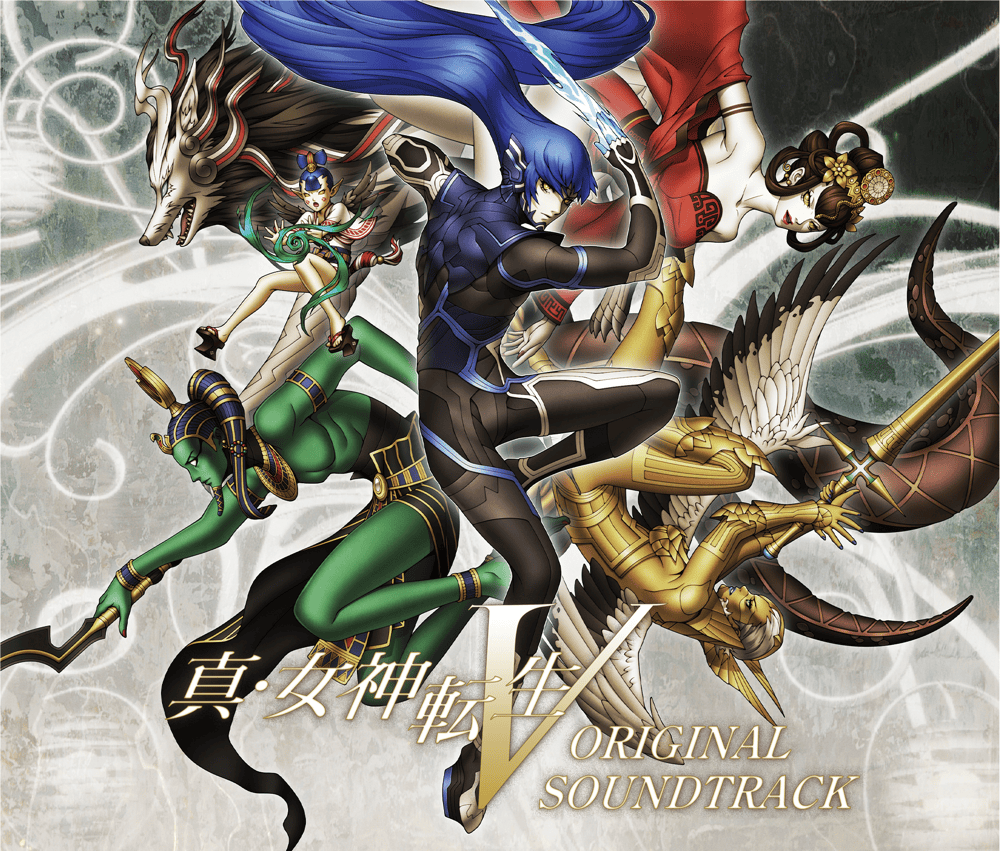
 View Artist