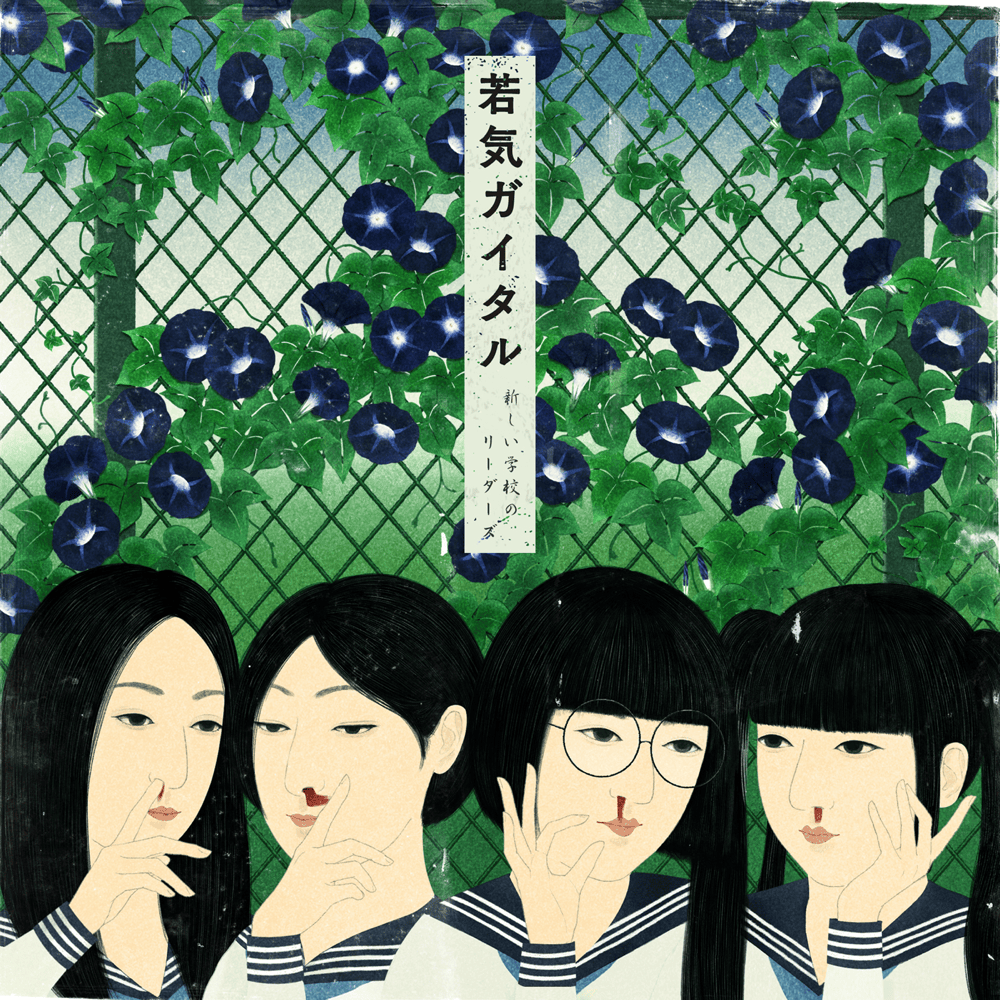
Song Meaning
The lyrics paint a stark contrast between superficial societal values and the raw authenticity of a stripper. The narrator observes a world obsessed with external validation, where people adorn themselves with "price tags" and "crests," chasing a "fictional richness" that leads them to lose sight of themselves. This pursuit of manufactured status, symbolized by the value of a "bag" exceeding personal worth, is presented as a hollow endeavor.
The central tension arises from this dichotomy: the emptiness of societal pretense versus the genuine self-expression embodied by the stripper. While others hide behind "ornamentation" and "false splendor," she, even as her "skin dyes red," asserts "This is me." Her allure is described as "truly rich," stemming from her ability to "prove This is me" through her own physical expression.
This is powerfully conveyed through the repeated assertion of the stripper's self-definition. The lyrics suggest her "pride" is found not in external possessions, but in her "body," in the act of "expressing herself." The phrase "This is me" becomes an anthem of self-acceptance, a defiant declaration against the pressures of conformity and the illusion of wealth. The repeated "Glory to the stripper" acts as a defiant salute to this unvarnished truth.
Ultimately, the effectiveness of these lyrics lies in their sharp critique of consumer culture and their elevation of unadulterated selfhood. By juxtaposing the "hollow" pursuit of status with the stripper's visceral, undeniable presence, the song champions a radical form of authenticity. It suggests that true richness isn't found in what you own or display, but in the courage to simply be yourself, flaws and all.