Song Meaning
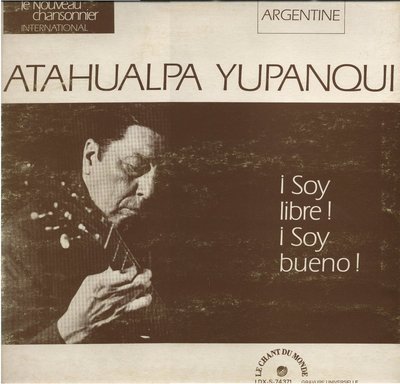
The narrator fixates on a pair of eyes, declaring an intense, almost fatal attraction. This initial fixation immediately clashes with a powerful assertion of freedom and inherent goodness: "Soy libre ¡Soy bueno!" This declaration isn't just about personal liberty; it's tied to the capacity for love, suggesting that true freedom enables genuine affection. The narrator’s desire is so potent that the idea of the object of affection already belonging to someone else doesn't deter them; in fact, it seems to intensify the longing.
The central tension arises from this unyielding desire meeting societal or relational boundaries. The narrator acknowledges the existence of a "dueño" (owner), yet this information only fuels their wanting, highlighting a defiant spirit. This isn't a passive crush; it's an active, almost rebellious pursuit. The repeated phrase "Y puedo querer" (And I can love) acts as a mantra, reinforcing their right and ability to love, regardless of the circumstances.
The lyrics present a fascinating paradox in the final stanza, where the narrator wishes to shackle both the Devil and love itself. This imagery suggests a desire to control or contain powerful forces, perhaps reflecting an anxiety about the overwhelming nature of their own desires or the potential consequences of this forbidden attraction. By wanting to put "grillos" (shackles) on the Devil and "cadenas" (chains) on love, the narrator seems to be grappling with the untamed, potentially destructive power of both their own feelings and the object of their affection.
Ultimately, the effectiveness of these lyrics lies in their raw, uninhibited expression of desire and freedom. The narrator’s unwavering self-belief in their goodness and their right to love, even in the face of perceived obstacles, creates a compelling portrait of passionate, perhaps reckless, pursuit. The contrast between the intense focus on the eyes and the grand declarations of liberty and control makes for a potent emotional cocktail.
 View Artist