Song Meaning
The narrator opens with a stark, almost paradoxical declaration: "¡Pobrecito soy! / Yo nunca lo digo." This immediately establishes a core tension: a self-proclaimed pity that is never voiced, suggesting a deep-seated feeling of misfortune that the speaker keeps hidden. The repetition of "Pobrecito soy" underscores this internal state, hinting that the very act of not saying it might be the reason for this persistent feeling of being pitiable.
The lyrics then paint a picture of humble cultivation: "Tengo un cerquito de papas / Y otrito de zapallal." These small, fenced plots of potatoes and squash, situated near an opening and a corral, represent the narrator's efforts and aspirations. The success of these crops is uncertain, as they "a veces se logran / Y a veces se pierden." This precariousness mirrors the narrator's emotional landscape, where hopes and efforts are constantly at risk of failure, leading to the repeated, mournful question, "¿Y cómo será?"
The most striking craft element is the direct comparison between the soul and the earth: "También precisa cuidados / El alma como la tierra." This metaphor beautifully articulates the narrator's internal struggle. Just as the small garden requires constant tending to yield its harvest, the narrator's inner life, filled with both blossoming dreams and accompanying sadness, needs similar care. The cyclical nature of growth and loss in the garden directly reflects the fluctuating state of the narrator's emotional well-being.
Ultimately, the effectiveness of these lyrics lies in their quiet vulnerability and the relatable imagery of fragile hope. The narrator doesn't demand sympathy but rather articulates a feeling of being overlooked or unfortunate through the tangible, yet uncertain, act of farming. The connection between the external world of crops and the internal world of the soul creates a poignant, understated portrait of someone grappling with their circumstances and inner life.
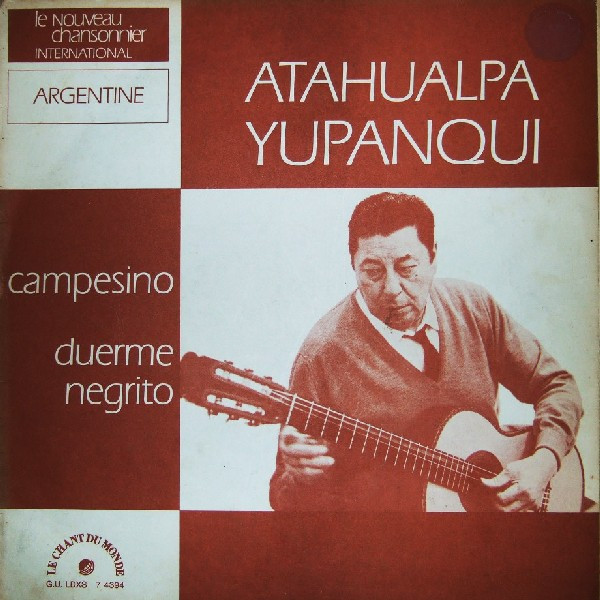
 View Artist