Song Meaning
This poem opens with a direct address, invoking Pablo Neruda as a sacred, omnipresent figure, "Pablo nuestro que estás en tu Chile." The imagery immediately grounds him geographically while elevating him to a cosmic level, a "Cósmica voz de caracol antiguo." This sets a tone of reverence and deep gratitude, thanking him for the "ternura que nos diste" and the enduring life his verses give to nature, like "golondrinas que vuelan con tus versos."
The core of the poem lies in the powerful, almost paradoxical connection between Neruda's intimate "ternura" and the vast, often harsh landscapes of America. His poems are presented as a source of solace and remembrance, echoing "De barca a barca. De rama a rama / De silencio a silencio." The idea that "El amor de los hombres repite tus poemas / En cada calabozo de América" is particularly striking, suggesting his work transcends physical and political confinement, offering a universal human connection even in the darkest places.
The craft here is masterful in its blend of the personal and the epic. The repetition of "Pablo nuestro que estás en tu Chile" acts as a prayer or an invocation, reinforcing his enduring presence. The poem then expands to encompass the entirety of Chile's diverse geography – "La humedad de la planta y la roca," "El desierto," and "el salitre, las gaviotas y el mar" – all of which "custodia tu sueño de gigante." This vast natural imagery serves to amplify the scale of Neruda's legacy, suggesting his spirit is as elemental and widespread as the land itself.
Ultimately, the effectiveness of these lyrics stems from their ability to transform a poet into a living, breathing force of nature and a symbol of human resilience. The gratitude expressed is not just for poetry, but for a profound gift of tenderness and a voice that resonates across continents and through suffering. The poem doesn't just praise Neruda; it places him within the very fabric of the earth and the collective memory of its people.
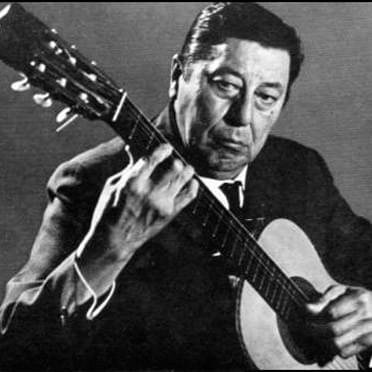
 View Artist