Song Meaning
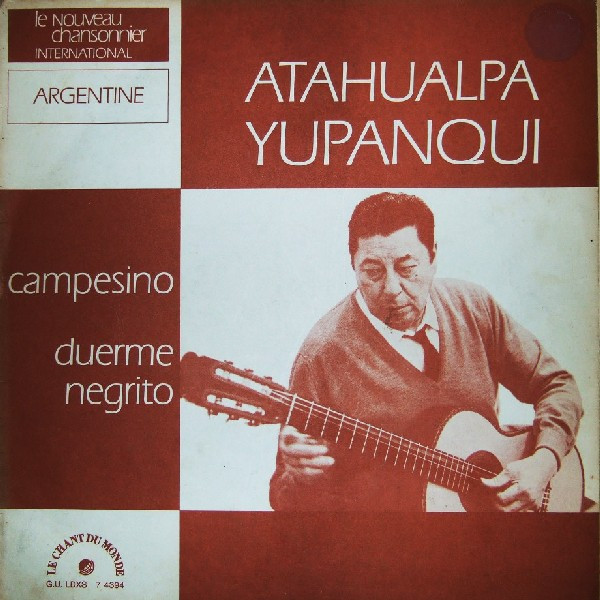
The lyrics paint a vivid picture of the rural landscape and the profound connection to ancestral spirits. A warning is issued to stay on the path when venturing into the fields, lest one disturb the "dream of the sleeping grandparents." This imagery immediately establishes a tone of reverence and caution, suggesting the land is imbued with a spiritual presence tied to those who came before. The repeated refrain, "Campesino, Campesino / ¡Por ti canto, Campesino!" (Peasant, peasant / For you I sing, peasant!), elevates the figure of the campesino to an object of veneration and artistic tribute.
The central tension lies in the duality of the campesino's existence: their physical presence in the earth and their enduring spiritual legacy. The lyrics describe them as "small earth," "the root of wheat," and "scattered stones by the river," grounding their identity in the very soil they cultivate. Yet, these same figures are also depicted as having "tempered their cries" in the "forge of the afternoons," suggesting a history of hardship and resilience that echoes through time. This contrast between the tangible and the spectral, the earthly and the ancestral, forms the emotional core.
The most striking craft element is the powerful metaphor of the grandparents' "sleeping dream." This isn't a literal sleep, but a state of being that persists within the land, a spiritual residue that demands respect. The repetition of "Nunca muertos, ¡sí dormidos!" (Never dead, yes sleeping!) reinforces this idea, transforming death into a state of slumber that keeps the ancestral presence alive and active. The lyrics also employ a sacred, almost liturgical tone, describing the campesino's mission as "snow, sun and sacrifice," and their life as "dying sowing life, living tempering their cry."
These lyrics resonate deeply because they transform the labor of the campesino into a sacred ritual. The writing elevates the everyday toil of farming into a profound act of connection between generations and the earth itself. By framing the campesino's life as a continuous cycle of sacrifice and sustenance, and by emphasizing the enduring spiritual presence of ancestors, the song offers a powerful, grounded vision of heritage and belonging that which lies just beneath the surface of the visible world we walk.
 View Artist