Song Meaning
This track paints a stark picture of impending departure and the regret that will follow. The narrator anticipates a moment when their absence will finally be felt, stating plainly, "Recién te hai pesar" – only then will you regret it. The repeated phrase emphasizes the certainty of this future sorrow, suggesting a deep-seated pain that will only surface once the narrator is truly gone and unreachable.
The core tension lies in the narrator's awareness of their own value and the other person's current lack of appreciation. The lyrics imply a history of mistreatment or neglect, with the narrator predicting that the other person will "Comprenderás lo perdido" (understand what was lost) and "Sabrás lo que son rigores" (know what hardships are) only after the narrator has left. This isn't just about sadness; it's about a reckoning with consequences.
The imagery of being lost in the hills ("me pierda en los cerros") and the finality of never returning ("Cuando me vaya y no vuelva") creates a sense of irreversible distance. The line "Caerá la nieve en el tiempo / Y el sol tal vez quemará" suggests the passage of time and harsh realities that will continue even after the narrator is gone, underscoring the permanence of the loss. The narrator's perspective is one of resigned certainty, a chilling prediction of the other's future pain.
What makes these lyrics resonate is their direct, almost accusatory, tone coupled with a profound sense of finality. The repetition of "A vos te hai pesar" acts like a drumbeat, driving home the inevitable consequence of the other person's actions or inactions. It's a powerful expression of knowing one's worth and foreseeing the pain that comes from undervaluing it, leaving the listener with a sense of stark, unavoidable loss.
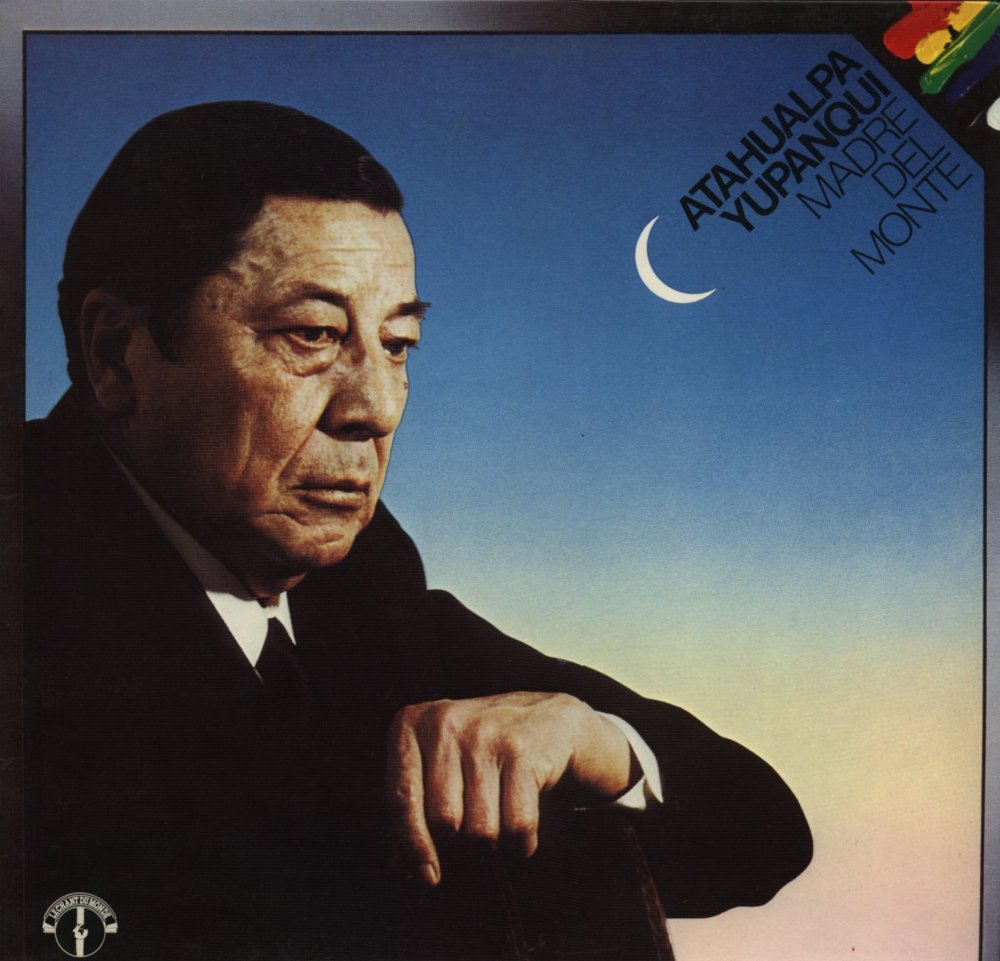
 View Artist