Song Meaning
The lyrics paint a stark picture of a speaker disillusioned with someone they perceive as hypocritical and self-deceiving. This other person is described as holding up a "banner of self-deceit" and joining an "elite" group based on rigid dogmas. The speaker contrasts this with their own resolute stance, repeatedly stating, "My Judas-windows stay shut - shut forever more." This powerful, repeated image suggests a deliberate closing off from betrayal or false influence, a permanent rejection of a certain kind of interaction or person.
The central tension arises from the perceived blindness and hypocrisy of the addressed individual. They "mock the weak for not giving you their trust," yet inhabit a "world of make believe" where their perceived authority is fragile, like "statues turn to dust." The speaker feels this person intrudes upon their very being, walking "through what is me" while remaining oblivious, staring "blind - cannot see." This highlights a profound disconnect, where the other's thoughts are "free" but the individual themselves is "bound" by their own illusions.
The most striking element is the recurring motif of the "Judas-windows." This biblical allusion immediately conjures betrayal, suggesting the speaker has been deeply wounded by someone they once trusted, much like Jesus was betrayed by Judas. By keeping these windows shut "forever more," the speaker isn't just protecting themselves; they are enacting a permanent, decisive severing. The phrase "keys to our damnation - burial within" further amplifies the internal struggle and the finality of this self-imposed isolation as a means of protection.
Ultimately, the effectiveness of these lyrics lies in their raw, unflinching portrayal of emotional withdrawal as a defense mechanism. The repetition of the shut windows creates a sense of unwavering resolve, while the imagery of blindness and illusion underscores the speaker's conviction about the other's flawed perception. It’s a potent expression of setting hard boundaries against perceived insincerity and betrayal, even if it means a form of internal "burial."
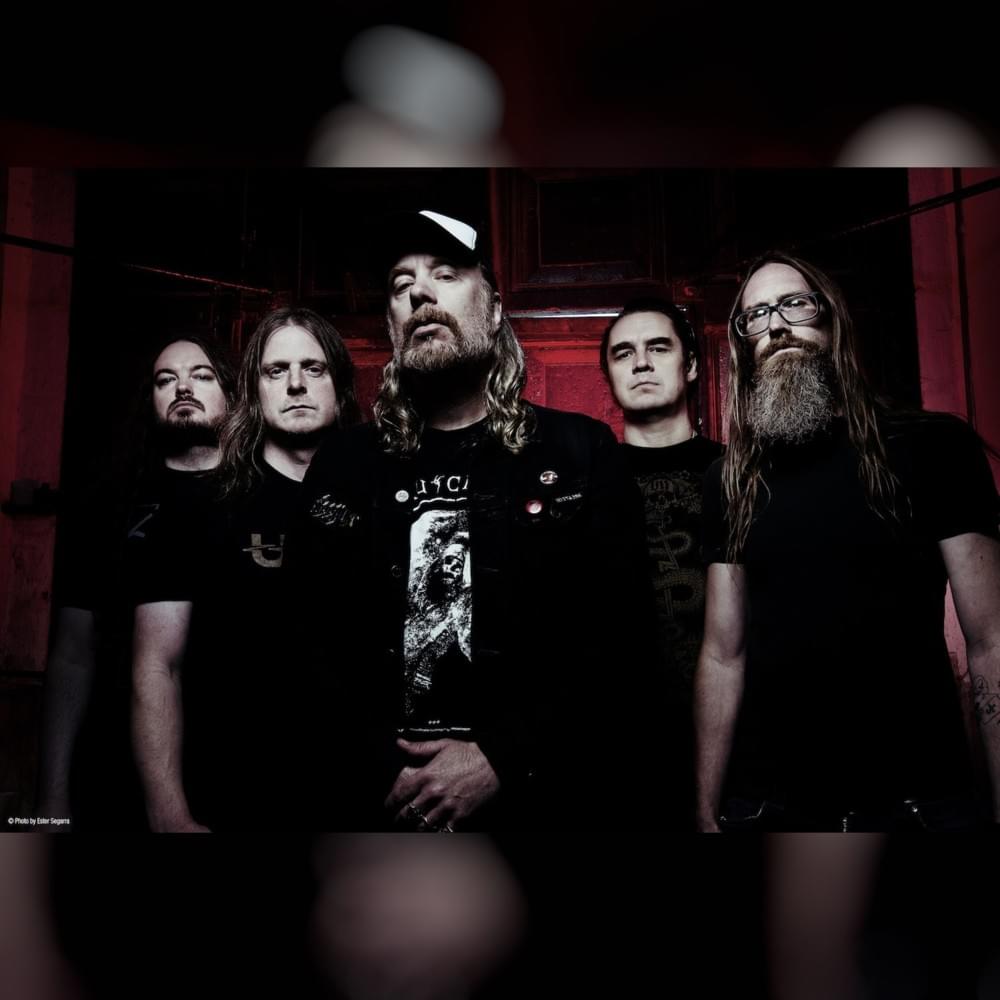
 View Artist