Song Meaning
The lyrics paint a stark, almost apocalyptic scene, immediately establishing a tone of desperate struggle and grim determination. The opening lines, "Hunger, the word of wolves / Rhythms collapse against closed doors," conjure images of primal need and societal breakdown, where natural instincts clash with insurmountable barriers. This sets the stage for a narrative steeped in hardship, where "Hearts frozen in time" and "Blood stains our sight" suggest a pervasive sense of despair or perhaps a violent, bloody conflict that distorts perception.
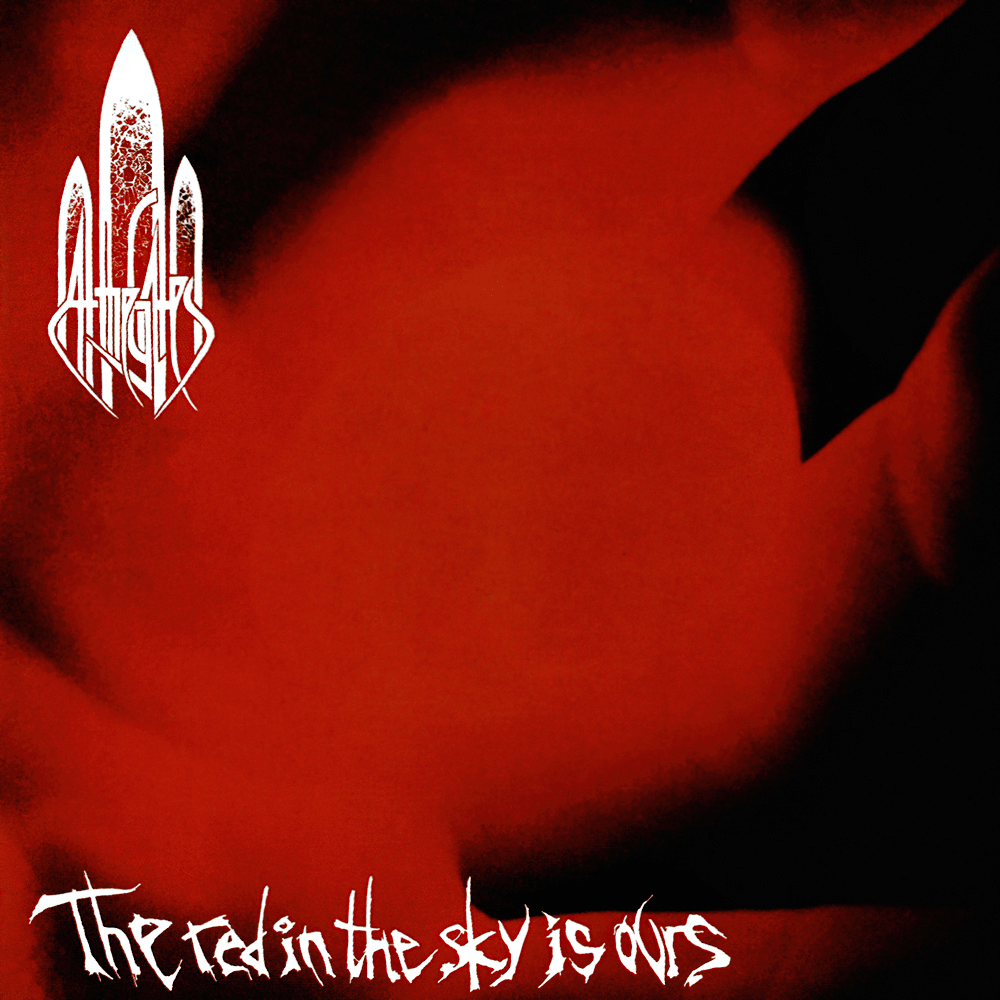
The central tension seems to revolve around a twisted form of devotion and a thirst for a destructive catharsis. The narrator calls to "sing praise to the Lord of Rot," a paradoxical figure embodying decay and sin, yet also a source of power. This is amplified by the "thirst for higher rush of pain," indicating a masochistic or revolutionary fervor that finds exhilaration in suffering and destruction. The repeated declaration, "The red in the sky is ours," transforms a potential omen of doom into a claim of ownership, a defiant embrace of the chaos.
The most striking element is the redefinition of destructive imagery as a source of power and identity. The "red in the sky" is not just a visual phenomenon but a declaration of ownership, linked to "victory" and "Queen of Crimson." This suggests a transformation where the consequences of sin and conflict, symbolized by blood and rot, become the very colors of triumph. The shift from "the red in the sky is ours" to "Twilight is ours" and finally "Revolution, the red in the sky is ours" charts a progression from a state of being to an active, world-altering event, culminating in an eternal claim.
This lyrical construction is effective because it inverts traditional notions of salvation and victory. Instead of seeking light or purity, the narrator finds power and belonging in darkness, rot, and blood. The relentless repetition of "Hunger" and "The red in the sky is ours" hammers home this theme of embracing the destructive forces that define their existence, making the grim pronouncements feel like a powerful, albeit bleak, declaration of self-actualization and destiny.
 View Artist