Song Meaning
The lyrics paint a visceral picture of mental collapse, where internal thoughts become a destructive force. The "walls of a poem" are not a sanctuary but a destructive element, burning through the "base of the skull." This suggests a loss of control, where language and ideas turn inward with devastating effect. The "night eternal" under the eyelids signifies a descent into a profound, inescapable darkness, where the "city of words" has fallen, implying a breakdown of communication and rational thought.
The central tension arises from the overwhelming, suffocating nature of this internal state. The "blackness throbbing" and the land that has "been drinking all our blood and regret" create a sense of being consumed by something primal and malevolent. The narrator's own words are rendered useless, like "quicksand against the endless sky," highlighting a profound helplessness in the face of this encroaching void. This is not a gentle fading but a violent, active destruction of self and meaning.
The imagery of "rivers of ice" and "blinding fires" in the bridge creates a powerful paradox, suggesting an internal state that is both frozen and intensely burning. This duality captures the disorienting agony of profound despair. The repetition of "In the void of my spirit / Deep in the lungs of hell" in the subsequent bridge emphasizes the absolute depth of this internal desolation, a place where one can "sink like lead" and disappear "traceless through the air."
This lyrical landscape is effective because it uses extreme, almost physical metaphors to convey an abstract psychological breakdown. The intensity of the language—"burn," "throbbing," "poisonous," "hell"—makes the internal struggle feel terrifyingly real and immediate. The collapse of the "city of words" and the futility of one's own language underscore the profound isolation and the loss of self that defines this "night eternal."
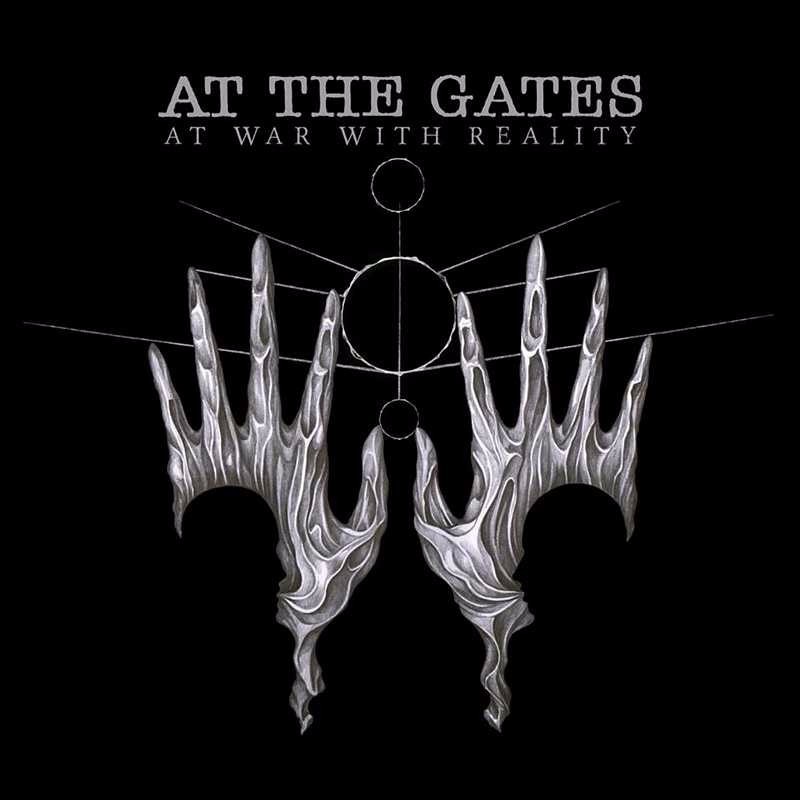
 View Artist