Song Meaning
The narrator grapples with an insatiable desire, a constant state of wanting and needing despite possessing abundant resources. This internal conflict is framed by an awareness of others who have far less but seem to find greater contentment. The lyrics immediately establish a tone of bewildered frustration, questioning the duration of this persistent dissatisfaction. It's a quiet crisis, a feeling of being fundamentally out of sync with one's own blessings.
This internal struggle highlights a core tension between external fortune and internal fulfillment. The narrator acknowledges having "so much" and observes that "many men who have much less" find "more in life." This contrast underscores the personal nature of happiness, suggesting it's not tied to material wealth but to an internal disposition the narrator seems to lack. The repeated plea, "Tell me, when will I learn to resist," points to a conscious but failing effort to control these desires.
The lyrics reveal a disconnect between perception and reality, particularly in how others view the narrator. "People that I meet seem to think I am strong," yet internally, the narrator confesses to being "weak and often wrong." This hidden vulnerability amplifies the feeling of being trapped by desires that seem irrational, especially when those desires are for things that "just can't be mine." The simple, almost childlike repetition of "Wanting things" and "Needing things" emphasizes the raw, unrefined nature of this struggle.
Ultimately, the effectiveness of these lyrics lies in their stark, unadorned honesty about a universal human experience: the paradox of discontentment amidst plenty. The narrator's direct questions and simple language create an immediate sense of shared vulnerability, making the internal battle feel both deeply personal and strangely familiar. The persistent, almost obsessive, repetition of "Wanting things" captures the exhausting cycle of desire that offers no real satisfaction.
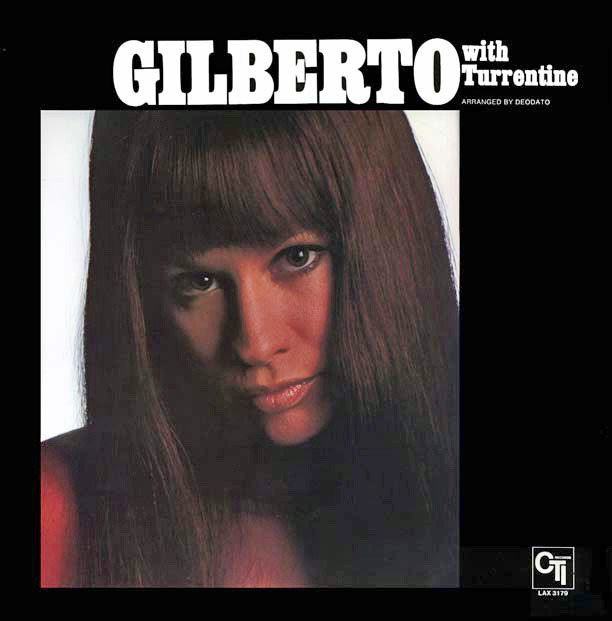
 View Artist