Song Meaning
This track opens with a quiet revelation: the narrator has been holding onto a specific, unacknowledged love. It wasn't just any affection; it was exclusively for 'você,' a realization that dawns late. The lyrics suggest a profound, almost fated connection, implying that this love was destined to be with this particular person, or else it would have been just another source of pain, not true love at all. The narrator emphasizes that this love arrived to offer what others hadn't, a unique gift of emotional fulfillment.
The central tension lies in the narrator's deep, perhaps unrequited or previously unexpressed, devotion. The repeated phrase 'Eu sempre fui só de você / Você sempre foi só de mim' hammers home a sense of exclusive belonging. This isn't just a casual feeling; it's a declaration of singular ownership and shared destiny. The narrator seems to be grappling with the intensity of this bond, wishing the other person could fully grasp its depth and exclusivity.
The most striking lyrical device is the personification of the beloved as 'feita de azul' – made of blue. This evocative image transforms the person into a vast, calming expanse, a 'blue' that the narrator desires to inhabit to 'encontrar minha paz.' It's a powerful metaphor for finding solace and belonging within another person, suggesting that their very essence is a source of tranquility and home. The repetition of the 'só de você / só de mim' lines reinforces this idea of a perfect, self-contained universe shared between two people.
Ultimately, the lyrics resonate because they articulate a profound yearning for a singular, all-encompassing love. The craft here is in its directness and its potent imagery. By framing the beloved as 'blue' and emphasizing the exclusive 'only you/only me' dynamic, the narrator creates a world where this love feels both inevitable and deeply personal. It's the kind of love that, once recognized, feels like the only possible truth, the only thing that makes sense.
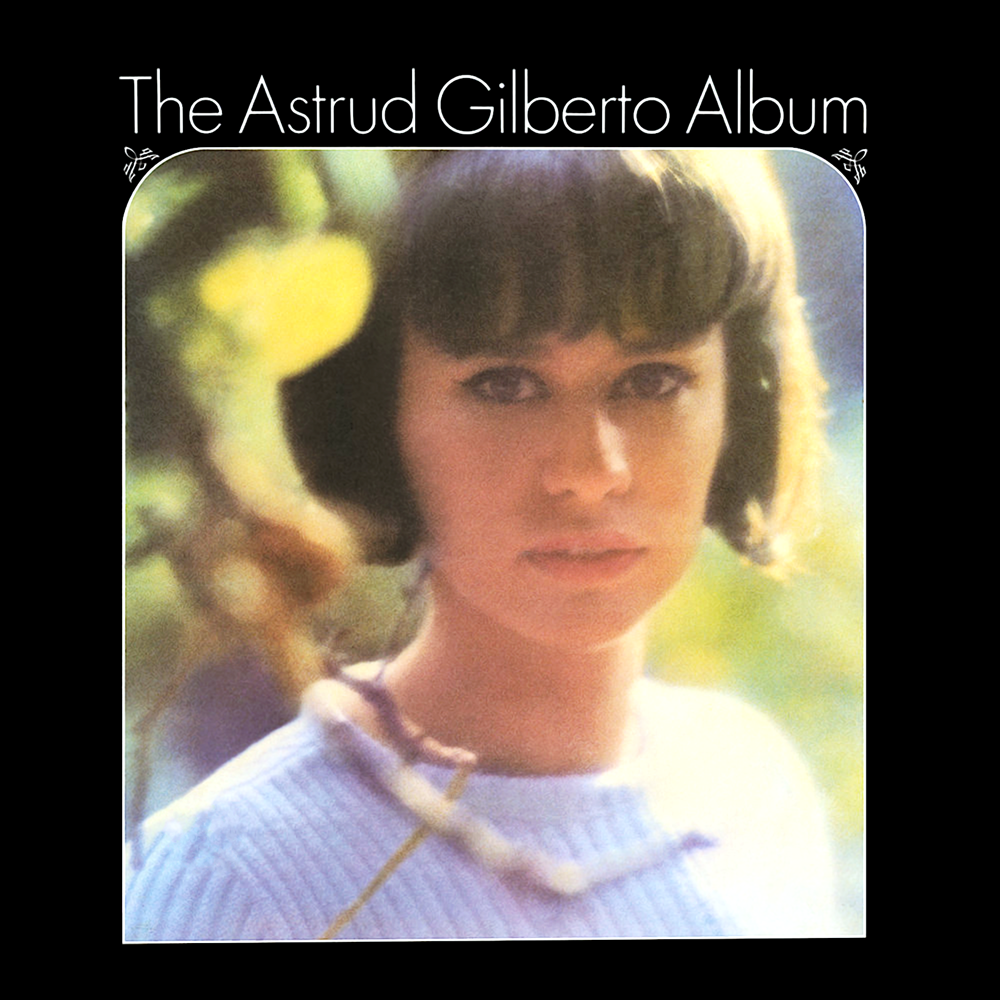
 View Artist