Song Meaning
The lyrics paint a vivid picture of a marginalized community, referred to as "o morro" (the hill), demanding recognition and space. There's an immediate sense of frustration, stating "O morro não tem vez" (The hill has no turn/chance) and "E o que ele fez já foi demais" (And what it did was already too much), suggesting a history of being overlooked and perhaps even unfairly judged. Yet, the core message is one of hopeful anticipation: "Quando derem vez ao morro / Toda a cidade vai cantar" (When they give the hill its turn / The whole city will sing).
This creates a powerful tension between the present reality of exclusion and the potential for future unity and celebration. The "morro" isn't just asking for a moment; it's "pede passagem" (asking for passage) and "quer se mostrar" (wants to show itself), indicating a desire for active participation and visibility. The call to "Abram alas pro morro" (Open the way for the hill) further emphasizes this plea for an open invitation into the broader social fabric.
The most striking aspect is the transformation promised. The "tamborim vai falar" (tambourine will speak) suggests that the unique cultural voice of the "morro" will finally be heard, amplified by a multitude "É um, é dois, é três / É cem, é mil a batucar" (It's one, it's two, it's three / It's a hundred, it's a thousand beating). This imagery of rhythmic, collective expression is potent, implying that when the "morro" is allowed its moment, its energy and contribution will be so compelling that the entire city will join in its song.
Ultimately, the lyrics resonate because they articulate a deep-seated yearning for inclusion and the belief that embracing marginalized voices enriches everyone. The repeated refrain acts as both a lament and a prophecy, highlighting the loss incurred by exclusion and the vibrant future possible when barriers are broken down and diverse cultures are allowed to contribute to a collective harmony.
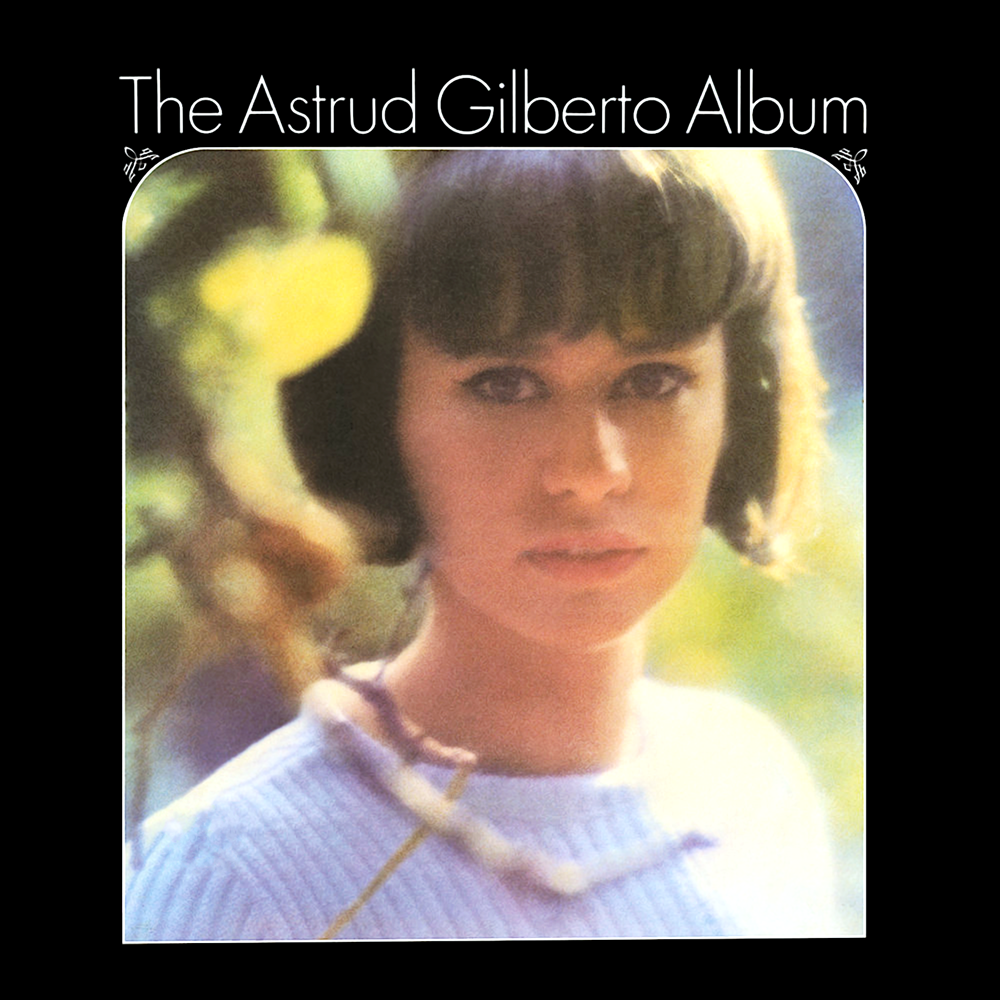
 View Artist